
Choosing orthodontic treatment is an important decision, and one of the most common questions we hear at Barlow Orthodontics is whether clear aligners or ceramic braces are the better option. Both treatments are designed to improve the alignment of your teeth and bite, but they work in different ways and offer unique advantages depending on your lifestyle, treatment goals, and orthodontic needs.
Today, many teens and adults are looking for treatment options that fit comfortably into their daily routines while providing excellent results. Advances in orthodontic technology have made both clear aligners and ceramic braces more discreet than ever before. At Barlow Orthodontics, we offer clear aligners and Clarity Advanced ceramic braces to help patients achieve healthy, confident smiles with treatment options that complement their preferences and goals.
The right choice depends on several factors, including the complexity of your case, your level of commitment to treatment instructions, and what matters most to you during the orthodontic process. Understanding how each option works can help you make a more informed decision.
Understanding Clear Aligners
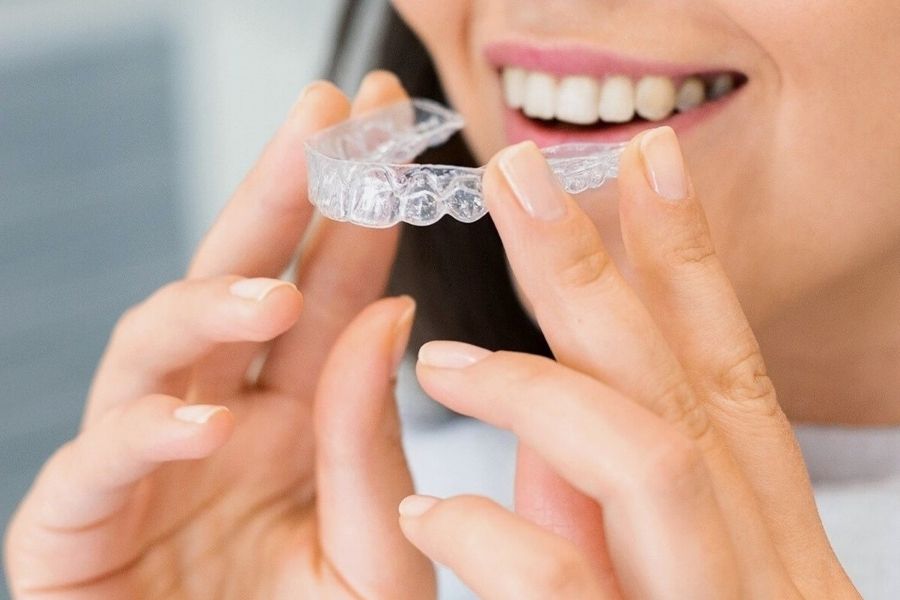
Clear aligners are a series of custom-made, removable trays that gradually move teeth into their desired positions. Each set of aligners is designed to make small, precise adjustments over time. Patients typically wear each set of aligners for a prescribed period before moving to the next stage of treatment.
One of the biggest reasons clear aligners have become so popular is their appearance. The trays are made from transparent material, making them difficult to notice during everyday interactions. Many adults and older teens appreciate the ability to straighten their teeth without drawing attention to their orthodontic treatment.
Because aligners are removable, patients can continue eating their favorite foods without many of the restrictions associated with traditional braces. They can also remove the aligners for brushing and flossing, which helps maintain normal oral hygiene habits throughout treatment.
However, successful treatment with clear aligners depends heavily on patient compliance. Aligners must be worn for the recommended number of hours each day, typically around 20 to 22 hours. Removing them too often or forgetting to wear them can delay progress and affect final results.
Understanding Ceramic Braces
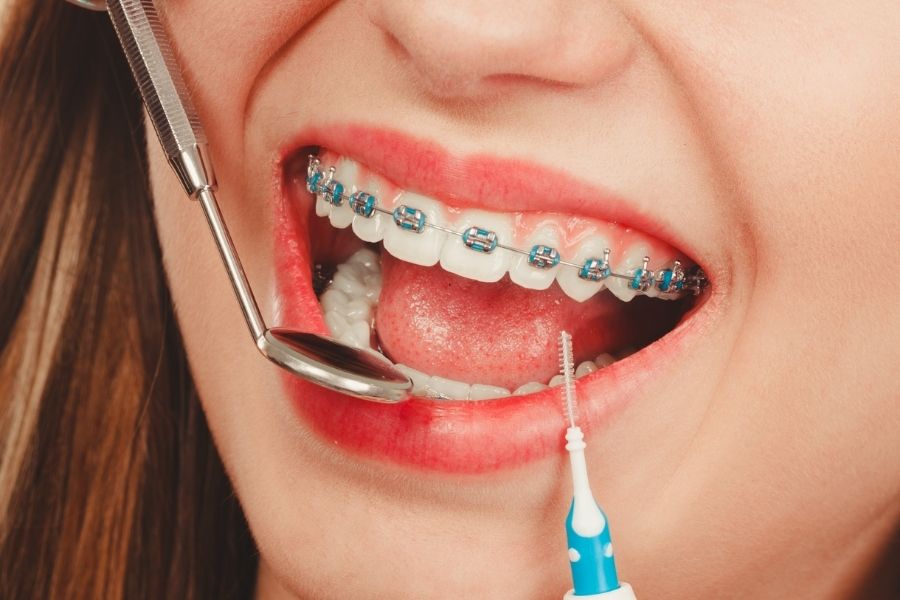
Ceramic braces function similarly to traditional metal braces but use tooth-colored or translucent brackets that blend more naturally with the teeth. This makes them a popular choice for patients who want a less noticeable orthodontic solution while still benefiting from the effectiveness of fixed braces.
Unlike removable aligners, ceramic braces are attached directly to the teeth and work continuously throughout treatment. Because they remain in place at all times, they eliminate concerns about forgetting to wear an appliance or meeting daily wear requirements.
Modern ceramic braces have come a long way from earlier versions. Today’s materials are smaller, smoother, and more comfortable than many patients expect. Clarity Advanced ceramic braces, for example, are designed with aesthetics and comfort in mind, providing a discreet treatment option without sacrificing effectiveness.
Ceramic braces are often well-suited for patients with more complex orthodontic concerns. Because the orthodontist has direct control over tooth movement throughout treatment, ceramic braces can address a wide range of alignment and bite issues with predictable results.
Comparing Appearance and Aesthetics
For many patients, appearance is one of the most important factors when choosing between clear aligners and ceramic braces.
Clear aligners are generally considered the most discreet orthodontic treatment option available. Because the trays fit snugly over the teeth and are virtually transparent, most people will not notice them during normal conversation. This makes aligners especially attractive to working professionals, college students, and adults who want a subtle treatment experience.
Ceramic braces are also designed to be less noticeable than traditional metal braces. The brackets blend with the natural color of the teeth, reducing their visibility from a distance. While they are still more visible than clear aligners, many patients find them to be an excellent compromise between aesthetics and treatment effectiveness.
If having the least visible treatment possible is your top priority, clear aligners typically have an advantage. However, ceramic braces remain one of the most aesthetically pleasing fixed orthodontic options available.
Treatment Effectiveness and Complexity
The complexity of your orthodontic needs plays a major role in determining which treatment option may be most appropriate.
Clear aligners have become increasingly capable of treating a wide variety of orthodontic issues. Mild to moderate crowding, spacing problems, and many bite concerns can often be corrected successfully with aligner therapy. Technological advancements continue to expand the range of cases that can benefit from clear aligners.
However, some complex tooth movements may still be better managed with braces. Significant rotations, severe crowding, major bite discrepancies, and certain skeletal concerns may require the continuous force and control that fixed appliances provide.
Ceramic braces offer orthodontists precise control over tooth movement throughout every stage of treatment. Because they remain attached to the teeth, they can often manage more challenging cases efficiently and predictably.
Every smile is unique, which is why a comprehensive orthodontic evaluation is essential before deciding which treatment option is best suited to your needs.
Lifestyle Considerations
Your daily habits and personal preferences can have a significant impact on which treatment feels most comfortable and convenient.
Clear aligners offer a level of flexibility that many patients appreciate. Since the trays can be removed for meals, special events, photographs, and oral hygiene routines, patients enjoy fewer disruptions to their normal lifestyles. There are no restrictions on foods because aligners are removed before eating.
This flexibility does come with responsibility. Patients must remember to wear the aligners consistently and keep track of them throughout the day. Misplacing aligners or wearing them less than recommended can extend treatment time.
Ceramic braces require less personal responsibility because they remain fixed to the teeth. Patients do not have to remember to put them back in after meals or worry about losing them. This can be particularly beneficial for younger patients who may struggle with consistent aligner wear.
Food choices require a bit more caution with ceramic braces. Hard, sticky, and chewy foods can potentially damage brackets or wires, making dietary modifications necessary during treatment.
Comfort During Treatment
Comfort is another area where patients often compare clear aligners and ceramic braces.
Clear aligners are made from smooth plastic material and generally cause minimal irritation to the cheeks and lips. Most patients experience temporary pressure when switching to a new set of aligners, which is a sign that the teeth are moving as planned. This pressure usually subsides within a few days.
Ceramic braces may require a brief adjustment period after placement and during periodic adjustments. Some patients experience mild soreness as teeth begin moving, and brackets may occasionally irritate soft tissues inside the mouth. Orthodontic wax can often help reduce friction during these periods.
While both treatments involve temporary discomfort as teeth shift into position, many patients find either option very manageable with modern orthodontic techniques and materials.
Oral Hygiene and Maintenance
Maintaining good oral hygiene is essential regardless of which treatment option you choose.
Clear aligners make brushing and flossing relatively straightforward because the trays can be removed before cleaning your teeth. Patients can continue using their normal oral hygiene routine without navigating around brackets and wires. It is important, however, to keep the aligners themselves clean to prevent discoloration and odor buildup.
Ceramic braces require additional attention during brushing and flossing. Food particles can become trapped around brackets and wires, making cleaning more time-consuming. Specialized tools such as floss threaders and interdental brushes can help patients maintain excellent oral hygiene throughout treatment.
Patients who are highly motivated about oral care often do well with either option. Those seeking the simplest hygiene routine may appreciate the convenience of removable aligners.
Treatment Time Expectations
One of the most common questions patients ask is how long treatment will take.
The answer depends largely on the complexity of the orthodontic issues being treated. In some cases, clear aligners and braces may achieve similar treatment timelines. In others, one option may offer greater efficiency depending on the specific tooth movements required.
Patient cooperation also influences treatment length. Clear aligners can only work when they are being worn consistently. If aligners are removed too often, treatment may take longer than originally anticipated.
With ceramic braces, treatment progress is less dependent on patient compliance because the appliance remains in place continuously. This can sometimes help keep treatment on schedule.
An orthodontic consultation is the best way to receive an accurate estimate based on your individual needs and treatment goals.
Cost Considerations
Cost is often an important factor when evaluating orthodontic treatment options.
The overall investment can vary depending on treatment complexity, treatment length, and the specific appliances being used. In many cases, the cost difference between clear aligners and ceramic braces may be smaller than patients expect.
Rather than focusing solely on price, it is often helpful to consider the overall value of treatment. Factors such as convenience, aesthetics, treatment effectiveness, and lifestyle compatibility all contribute to the patient experience and long-term satisfaction.
Many orthodontic practices offer flexible payment options to help make treatment accessible for families and individuals seeking orthodontic care.
Which Option Is Right for You?
There is no universal answer to whether clear aligners or ceramic braces are better. The right choice depends on your orthodontic needs, personal preferences, lifestyle, and treatment goals.
Clear aligners are often ideal for patients seeking maximum discretion, flexibility, and convenience. They work especially well for individuals who are committed to following treatment instructions and wearing their aligners consistently.
Ceramic braces can be an excellent solution for patients who want a discreet appearance while benefiting from the reliability and effectiveness of a fixed orthodontic appliance. They are particularly valuable for individuals with more complex orthodontic concerns or those who prefer not to manage removable appliances.
At Barlow Orthodontics, we believe every patient deserves personalized treatment recommendations based on their unique smile. During a consultation, Dr. Barlow can evaluate your teeth, discuss your goals, and help determine whether clear aligners or ceramic braces are the best fit for your situation.
A healthier, more confident smile starts with understanding your options. By comparing the benefits, limitations, and lifestyle considerations of each treatment, you can move forward with confidence and choose the orthodontic solution that aligns with your needs and goals.