
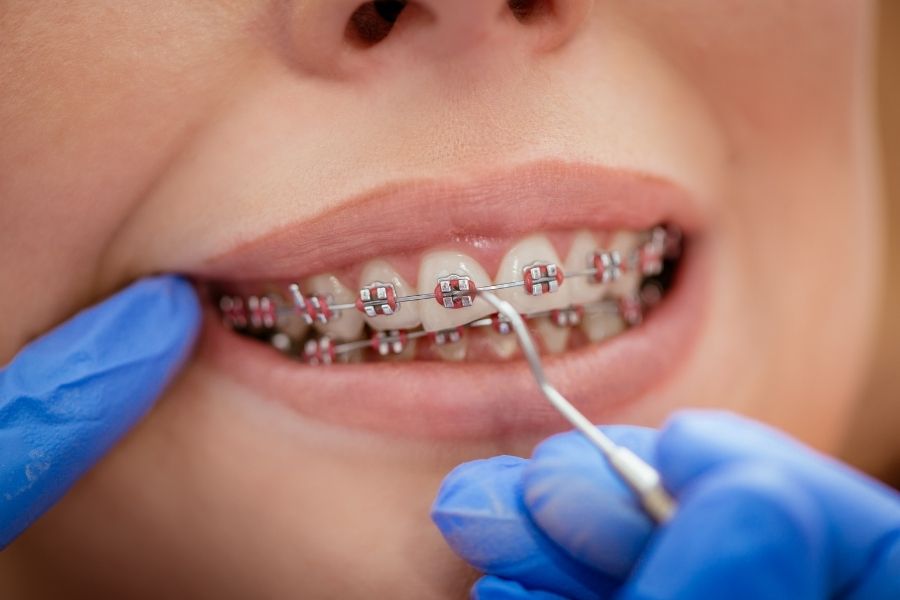
Getting braces is an exciting step toward a healthier, more confident smile. Whether you’re a teenager starting orthodontic treatment or an adult finally addressing alignment concerns, braces can deliver outstanding results when they’re properly cared for. One of the biggest adjustments patients face during treatment is learning which foods can damage braces and which foods are safe to enjoy.
At Barlow Orthodontics, we help patients throughout St. Marys, Kingsland, Camden County, and surrounding communities achieve beautiful smiles with braces and clear aligner treatment. While modern braces are designed to be durable and effective, they still require some care and attention, especially when it comes to your diet. The foods you choose especially in the first week, can directly affect your treatment progress, comfort, and the condition of your braces.
Many patients worry that braces mean giving up all their favorite foods. Fortunately, that’s not the case. Understanding which foods to avoid and what alternatives to choose can help keep your treatment on track while still allowing you to enjoy a variety of meals and snacks.
Why Food Choices Matter During Orthodontic Treatment
Braces work by applying gentle, consistent pressure to move teeth into their ideal positions. The brackets, wires, and bands that make this possible are strong, but they aren’t indestructible. Certain foods can bend wires, loosen brackets, or create unnecessary stress on orthodontic appliances.
When braces are damaged, treatment can be delayed. A broken bracket or bent wire may require an additional appointment and can prevent teeth from moving as planned. In some cases, damage can extend treatment time and increase overall discomfort.
Food choices also affect oral health. Braces create additional spaces where food particles and plaque can accumulate. Sticky, sugary foods can increase the risk of cavities, enamel staining, and gum inflammation if proper brushing and flossing habits are not maintained.
The good news is that a few dietary adjustments can significantly reduce these risks and help you stay on schedule throughout your orthodontic journey.
1. Hard Candies
Hard candies are one of the most common culprits behind broken braces. Many people assume they can simply suck on hard candy without causing damage, but the temptation to bite down often leads to problems. Even a small amount of pressure from a hard candy can crack a bracket or bend a wire.
In addition to the risk of physical damage, hard candies expose teeth to sugar for extended periods. This can increase the likelihood of tooth decay, especially around brackets where plaque tends to collect.
If you’re craving something sweet, consider softer alternatives such as pudding, yogurt, smoothies, or soft baked goods that won’t place unnecessary stress on your braces.
2. Popcorn
Popcorn may seem harmless, but it can create several challenges for braces patients. Unpopped kernels are extremely hard and can easily damage brackets and wires if bitten unexpectedly. Even fully popped kernels can become lodged between teeth and orthodontic appliances.
These trapped pieces can be difficult to remove and may contribute to gum irritation or plaque buildup if left untreated.
If you’re looking for a crunchy snack alternative, softer options like cheese puffs, baked chips, or sliced vegetables prepared appropriately may be safer choices, depending on your orthodontist’s recommendations.
3. Nuts
Nuts are packed with nutrients, but they can be problematic for braces wearers. Almonds, peanuts, cashews, and other varieties are often hard enough to damage orthodontic hardware when chewed.
The pressure created while biting into nuts can loosen brackets or distort wires, especially during the early stages of treatment when teeth may already be sensitive.
Instead of whole nuts, consider nut butters such as peanut butter or almond butter. These provide many of the same nutritional benefits without the risk of damaging your braces.
4. Ice
Many people don’t think of ice as a food, but chewing ice is a habit that can cause significant orthodontic problems. Ice is extremely hard and can crack brackets, loosen bands, and place excessive stress on wires.
Chewing ice can also contribute to small cracks in tooth enamel, increasing the risk of future dental issues.
If you enjoy cold beverages, it’s best to let the ice melt naturally rather than chewing it. Breaking the habit early can help protect both your braces and your teeth.
5. Sticky Candy
Caramel, taffy, gummy candies, and similar treats are among the worst foods for braces. Their sticky texture allows them to wrap around brackets and wires, making them difficult to remove.

Sticky candies can pull brackets away from teeth and create areas where sugar remains trapped for extended periods. This combination increases the likelihood of both appliance damage and tooth decay.
When you’re craving something sweet, softer desserts that don’t stick to braces are typically safer choices. Ice cream, soft cookies, and yogurt-based treats are often easier on orthodontic appliances.
6. Chewy Bagels and Tough Bread
While bread itself is generally braces-friendly, certain types can present challenges. Dense bagels, crusty artisan breads, and tough rolls require significant biting force that can place stress on brackets and wires.
Large bites can be especially problematic for front teeth, where brackets may be more vulnerable to damage.
If you enjoy bread products, consider softer varieties and cut them into smaller pieces before eating. This simple adjustment can make meals more comfortable and reduce the risk of orthodontic emergencies.
7. Corn on the Cob
Corn on the cob is a classic favorite, but biting directly into it can place excessive pressure on front brackets. This force can loosen or break orthodontic components and may lead to unexpected repair visits.
Fortunately, you don’t have to eliminate corn from your diet entirely. Simply remove the kernels from the cob before eating. This allows you to enjoy the same flavor and nutritional benefits without risking damage to your braces.
Making small modifications like this can help you continue enjoying many of your favorite foods throughout treatment.
8. Raw Hard Vegetables
Vegetables are an important part of a healthy diet, but some raw varieties can be difficult for braces patients to manage. Carrots, celery, and similar vegetables are often hard enough to challenge brackets and wires.
Biting directly into these foods can increase the likelihood of appliance damage, particularly during periods when teeth are tender after adjustments.
Instead, try steaming vegetables until they become softer or cutting them into small, bite-sized pieces. This approach makes them easier to eat while preserving their nutritional value.
9. Tough Meats
Certain cuts of meat can be difficult to chew and may place unnecessary strain on braces. Steak, jerky, and other tough meats often require significant biting force and prolonged chewing.
When teeth are already adjusting to orthodontic movement, these foods can increase discomfort and create opportunities for brackets or wires to become damaged.
Softer protein sources such as shredded chicken, fish, ground turkey, or slow-cooked meats are generally easier to manage and provide excellent nutrition during treatment.
10. Crunchy Chips and Pretzels
Crunchy snack foods are another common source of broken braces. Chips, pretzels, and similar snacks often break into hard, sharp pieces that can damage orthodontic appliances.
Some varieties may also become lodged around brackets, creating additional cleaning challenges.
If you’re looking for a snack with some crunch, softer alternatives or baked products that are less brittle may be better options. Eating slowly and carefully can also help reduce the risk of accidental damage.
What Can You Eat With Braces?
While the list of foods to avoid may seem lengthy, there are still plenty of delicious options available. In fact, many patients discover new favorite foods during orthodontic treatment.
Soft foods are particularly helpful after adjustment appointments when teeth may feel sensitive. Options such as mashed potatoes, scrambled eggs, pasta, soup, yogurt, oatmeal, smoothies, and soft fruits can provide comfort while delivering important nutrients.
Dairy products like cheese, yogurt, and cottage cheese are excellent choices because they provide calcium and protein that support overall oral health. Soft fruits such as bananas, berries, peaches, and melon are also easy to enjoy with braces.
Protein remains an important part of a balanced diet during orthodontic treatment. Fish, eggs, ground meats, and tender poultry are generally braces-friendly and help support overall health.
Many vegetables can still be enjoyed as well. Steamed broccoli, cooked carrots, squash, green beans, and other softened vegetables offer valuable vitamins and minerals without putting excessive stress on orthodontic appliances.
Tips for Eating Comfortably With Braces
Adjusting your eating habits can make a significant difference in your overall orthodontic experience. Cutting food into smaller pieces reduces the amount of force needed to chew and helps protect brackets and wires.
Taking smaller bites can also make meals more comfortable, especially during the first few days after adjustments. Many patients find that eating slowly allows them to avoid accidental pressure on sensitive teeth.
Maintaining excellent oral hygiene after meals is equally important. Braces create additional surfaces where food particles can become trapped, so brushing and flossing thoroughly helps prevent plaque buildup and protects your smile throughout treatment.
If you do experience a loose bracket, bent wire, or other orthodontic concern, contacting your orthodontic office promptly can help prevent additional complications.
Protecting Your Smile Throughout Treatment
Braces are an investment in your long-term oral health and confidence. While avoiding certain foods may require some temporary adjustments, these changes can help protect your appliances, minimize treatment delays, and keep your progress moving forward.
Most patients adapt quickly and find that the dietary restrictions become second nature after a few weeks. By choosing braces-friendly foods and following your orthodontist’s recommendations, you can help ensure a smoother treatment experience and better results.
At Barlow Orthodontics, we believe informed patients make the best treatment partners. Understanding how everyday choices affect your braces can help you protect your smile and get the most out of your orthodontic care. If you have questions about braces, clear aligners, or orthodontic treatment for yourself or your child, our team is always happy to provide guidance and support.