
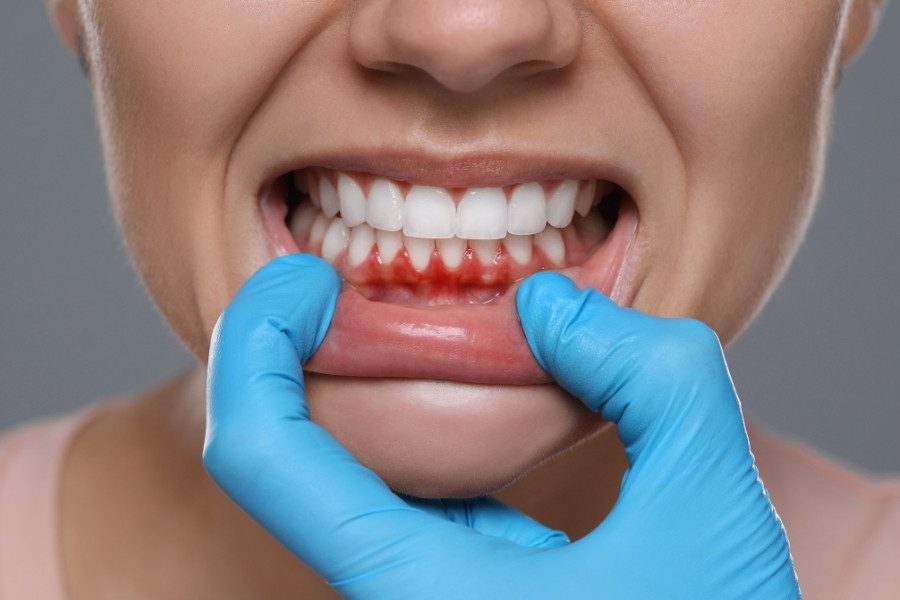
If you have periodontal disease and want straighter teeth, you may wonder whether braces are still an option. The answer is often yes, but timing and periodontal health matter. Active gum disease generally needs to be brought under control before orthodontic tooth movement begins. Starting treatment without addressing inflammation and supporting bone health can place already vulnerable tissues under unnecessary stress.
At Barlow Orthodontics, we evaluate more than tooth alignment before recommending treatment. Gum health, bone support, bite, tooth position, and overall dental health all influence whether orthodontic treatment can proceed safely. Depending on the individual case, traditional braces, ceramic braces, or clear aligners may eventually be considered, but the first priority is establishing a healthy, stable foundation.
Having a history of periodontal disease does not automatically disqualify you from braces. Many adults who have been treated for gum disease can pursue orthodontic care with appropriate planning and ongoing periodontal maintenance. The American Association of Orthodontists notes that patients previously treated for gum disease may be candidates for orthodontic treatment, with communication among the orthodontist, dentist, and periodontist playing an important role.
What Is Periodontal Disease?
Periodontal disease, commonly called gum disease, is an inflammatory condition affecting the tissues that surround and support the teeth. Gingivitis is the earlier and milder form, typically involving red, swollen, or bleeding gums. Periodontitis is more advanced and can involve loss of the supporting attachment and bone around teeth. Gum disease can sometimes progress without significant pain, which is one reason professional examinations are important.
For orthodontic patients, the distinction between gingivitis and periodontitis matters. Mild inflammation caused by plaque may be reversible with improved oral hygiene and professional care. Periodontitis requires more careful evaluation because the supporting structures around the teeth may already be compromised. The amount of bone loss, presence of periodontal pockets, gum recession, tooth mobility, and current disease activity can all affect orthodontic planning.
Why Does Periodontal Health Matter Before Braces?
Braces move teeth by applying controlled forces that cause biological changes in the tissues and bone surrounding the roots. Those changes are expected during orthodontic treatment, but they require an adequately healthy periodontal environment. If active inflammation or significant uncontrolled periodontal disease is present, moving teeth can increase the risk of unwanted complications.
The American Association of Orthodontists emphasizes the importance of evaluating periodontal health before orthodontic treatment. Straightening teeth in the presence of poor periodontal health may contribute to problems such as gum recession, root changes, or tooth loss. An in-person examination is particularly valuable because gum measurements and diagnostic imaging provide information that photographs alone cannot show.
This is why we do not view braces as an isolated cosmetic procedure. Tooth movement affects the supporting tissues around every tooth being moved. A careful assessment helps us determine whether those tissues are ready for treatment and what precautions may be appropriate.
Can You Get Braces After Periodontal Disease Treatment?
In many cases, yes. A history of periodontitis is different from having active, uncontrolled periodontitis. Once periodontal disease has been treated and your gum condition is stable, orthodontic treatment may become a reasonable option.
The decision depends on the health and stability of your individual teeth and supporting tissues. Some patients have experienced bone loss but still have enough stable periodontal support for carefully planned orthodontic movement. These cases may require lighter forces, modified treatment goals, additional monitoring, or coordination with a periodontist.
The objective is not simply to determine whether braces can physically be placed. We want to determine whether orthodontic treatment can be carried out responsibly while protecting long-term dental health. Research and professional education in orthodontics recognize that patients with compromised periodontal support can sometimes receive orthodontic treatment when realistic treatment planning and periodontal coordination are used.
What Happens Before Orthodontic Treatment Begins?
The first step is a comprehensive orthodontic evaluation. We assess tooth position, bite relationships, gum appearance, existing restorations, and other factors that could affect treatment. Appropriate diagnostic records can help us evaluate the roots and supporting bone that cannot be assessed simply by looking at the smile.
If signs of active periodontal disease are present, treatment may need to be postponed while your general dentist or periodontist addresses the condition. Periodontal treatment varies according to the severity and location of disease, so recommendations should come from the dental professional evaluating your gums directly.
Once your periodontal condition is considered stable, communication between your providers can help establish an appropriate orthodontic plan. Some patients may also need more frequent periodontal maintenance throughout treatment. This collaborative approach is especially important when there has already been meaningful bone loss or gum recession.
Are Clear Aligners Better Than Braces for Gum Disease?
Patients sometimes assume clear aligners are automatically safer for periodontal disease because they are removable. Aligners can make brushing and flossing more convenient because the trays are removed for oral hygiene. However, removability does not eliminate the biological effects of orthodontic tooth movement.
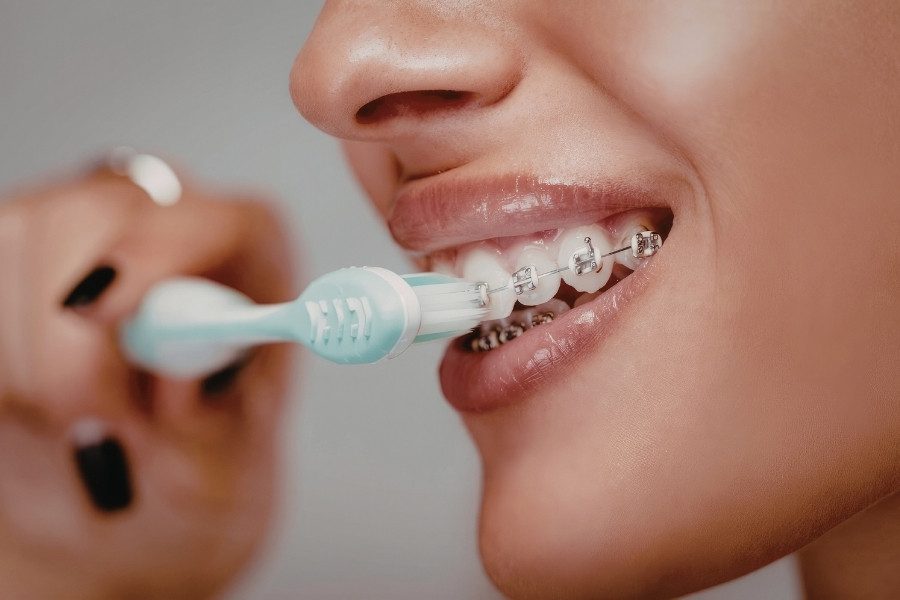
Both braces and clear aligners apply forces to move teeth. Therefore, periodontal stability remains essential regardless of the appliance being used. The best treatment method depends on your bite, tooth movement requirements, periodontal condition, lifestyle, and ability to follow treatment instructions.
For some adults, clear aligners may provide practical hygiene advantages. For others, braces may offer better control for the movements required. We choose an appliance after diagnosis rather than selecting one based solely on appearance or the presence of a periodontal history.
How Do You Protect Your Gums During Braces?
Excellent oral hygiene becomes especially important when someone with a history of periodontal disease begins orthodontic treatment. Brackets and wires create additional areas where plaque and food debris can collect. Consistent brushing, cleaning between teeth, and attending recommended professional cleanings help control plaque around the gums.
Patients should also continue seeing their general dentist and, when indicated, their periodontist during orthodontic treatment. Orthodontic appointments do not replace routine dental or periodontal care. Your dental team monitors different aspects of oral health, and maintaining those relationships helps identify changes early.
We also pay attention to how the gums and supporting tissues respond as teeth move. If periodontal concerns develop, treatment may need to be modified or temporarily paused while the issue is addressed. Protecting oral health takes priority over completing treatment on a predetermined schedule.
Can Braces Help Periodontal Health?
Proper tooth alignment may make certain areas easier to clean, particularly when crowded or overlapping teeth previously created difficult spaces for brushing and flossing. Orthodontic movement may also play a role in selected interdisciplinary periodontal cases. Professional orthodontic literature describes situations in which carefully planned tooth movement can contribute to improvements in certain periodontal defects.
That does not mean braces are a treatment for periodontal disease. Periodontitis requires appropriate periodontal care, and orthodontics should not be used as a substitute. Instead, orthodontic treatment can sometimes become one part of a broader plan after inflammation has been controlled.
This distinction is important. Straight teeth alone do not guarantee healthy gums, and patients must continue maintaining good oral hygiene and professional dental care before, during, and after orthodontic treatment.
What If You Have Bone Loss or Gum Recession?
Bone loss and gum recession require individualized evaluation, but neither automatically means orthodontic treatment is impossible. The location and severity of bone loss, thickness of supporting tissues, tooth position, root anatomy, and planned direction of movement all influence risk.
Moving a tooth outside the available supporting bone can contribute to periodontal problems, so treatment planning must respect biological boundaries. Orthodontic literature also recognizes that different types and directions of tooth movement can affect periodontal tissues differently.
Patients with significant periodontal concerns may therefore have different treatment goals than someone with completely healthy supporting tissues. Conservative movement and close collaboration with a periodontist can be more important than pursuing an idealized cosmetic result at the expense of periodontal stability.
How Often Will Your Gums Need to Be Checked?
There is no single periodontal monitoring schedule that applies to every orthodontic patient. Someone with healthy gums and no previous periodontal problems may have different needs from a patient who has been treated for moderate or advanced periodontitis.
Your dentist or periodontist will determine how frequently periodontal maintenance is appropriate based on your history and current condition. Meanwhile, we monitor the teeth, bite, appliances, and visible supporting tissues during orthodontic appointments.
Keeping these appointments matters because periodontal conditions can change. Report persistent bleeding, swelling, recession, unusual tooth mobility, or other changes to your dental team rather than waiting for the next scheduled visit.
Braces and Periodontal Disease Require the Right Timing
So, can you get braces with periodontal disease? For many patients, orthodontic treatment may be possible after periodontal disease has been appropriately treated and stabilized. Active disease, however, generally needs attention before teeth are intentionally moved.
If you have a history of gum disease, bone loss, or gum recession, do not assume braces are automatically off the table. Schedule an orthodontic consultation so we can evaluate your smile, review your dental health, and discuss whether braces or clear aligners may be appropriate. The goal is not simply straighter teeth. It is a healthier, stable smile supported by thoughtful care.