
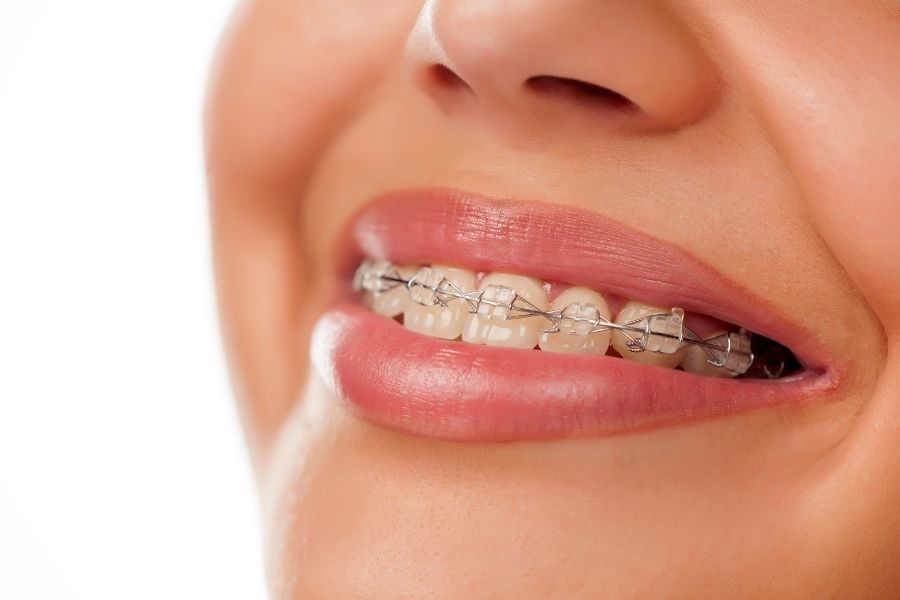
Orthodontic treatment is designed to keep your smile moving in the right direction, but occasional issues can happen between appointments. A wire may shift and begin poking your cheek, or a bracket may loosen after eating something hard or sticky. While these situations can be frustrating, they are usually manageable at home until you can visit your orthodontist.
At Barlow Orthodontics, we understand that orthodontic emergencies rarely happen at a convenient time. Whether you’re wearing traditional braces, ceramic braces, or another orthodontic appliance, knowing how to respond to minor issues can help you stay comfortable and protect your treatment progress. Most situations involving a pokey wire or loose bracket can be addressed temporarily at home before our team evaluates the problem.
The good news is that a pokey wire or loose bracket is typically not a true emergency. In most cases, simple steps can reduce irritation and discomfort until you can schedule an appointment. Understanding what caused the issue and how to safely manage it can make the experience much less stressful.
Understanding Why Wires and Brackets Become Problematic
Braces work by applying gentle, consistent pressure to move teeth into their ideal positions. Throughout treatment, teeth shift and change, which can occasionally affect how wires and brackets fit inside the mouth.
A pokey wire often develops because teeth have moved enough that the end of the archwire extends farther than before. As treatment progresses, the wire may begin rubbing against the inside of the cheek or gum tissue. In other cases, a wire can slide out of position due to eating certain foods or accidental contact with the braces.
Loose brackets can occur for several reasons. Brackets are bonded securely to the teeth, but they can become detached if exposed to excessive force. Biting into hard foods, chewing ice, eating sticky candies, or experiencing an impact during sports activities can all contribute to a bracket coming loose.
Although these situations can feel alarming, they are common parts of orthodontic treatment. The key is knowing how to manage them safely until professional care is available.
What to Do If a Wire Is Poking Your Cheek or Gums
A pokey wire can cause irritation that ranges from mild annoyance to significant discomfort. The soft tissues inside the mouth are sensitive, so even a small wire extension can create soreness if left untreated.
The first step is to carefully inspect the area. Wash your hands thoroughly and use a mirror with good lighting to determine where the wire is causing irritation. Sometimes the wire has simply rotated or shifted slightly and may be repositioned.
Orthodontic wax is often the easiest and most effective temporary solution. Dry the area as much as possible with a clean tissue or cotton swab, then roll a small piece of wax into a ball and place it directly over the poking section of the wire. The wax creates a protective barrier between the wire and the soft tissues of your mouth, helping reduce irritation while you wait for your appointment.
If the wire is slightly out of place and easily accessible, you may be able to gently move it using a clean cotton swab or the eraser end of a pencil. Only attempt this if the wire moves easily and without force. Never bend, pull, or aggressively manipulate orthodontic wires, as doing so can damage the appliance and affect treatment progress.
Rinsing with warm salt water can also provide relief. A simple solution of warm water and salt may help soothe irritated tissues and promote comfort while the area heals.
If discomfort persists despite using wax, contact your orthodontist for guidance. The office can determine whether an adjustment appointment is needed or if additional home care measures may help until your scheduled visit.
Managing a Loose Bracket Without Damaging Your Braces
A loose bracket can look concerning, especially if it appears to be moving freely along the wire. Fortunately, a loose bracket often remains attached to the archwire even after separating from the tooth.
If you notice a loose bracket, avoid touching or playing with it using your fingers or tongue. Repeated movement can increase irritation and potentially cause further damage to the braces system.
Take a close look at the bracket to determine whether it is still attached to the wire. In many cases, the bracket simply slides along the wire while remaining connected. If this happens, orthodontic wax can help stabilize the bracket and reduce discomfort by covering any rough edges.
It is important to continue practicing good oral hygiene around the area. Food particles can become trapped around loose appliances, increasing the risk of plaque buildup and gum irritation. Brush carefully and follow any cleaning instructions provided by your orthodontic team.
Patients are sometimes tempted to remove a loose bracket themselves. This should be avoided whenever possible. Attempting to detach orthodontic components at home can damage the appliance, create sharp edges, or interfere with treatment progress.
Contact your orthodontist to explain the situation. Depending on the severity of the problem, the office may recommend scheduling an adjustment appointment promptly or monitoring the bracket until your next visit.
When a Wire Comes Completely Out of Position
Occasionally, a wire may slip out of a bracket or tube and become more difficult to manage. When this occurs, the wire may move freely inside the mouth and create irritation.
If the wire has partially slipped out, inspect it carefully using a mirror. Sometimes it can be gently guided back into place using clean tweezers if the movement is straightforward and does not require force. However, if the wire resists repositioning or causes pain, stop immediately.
Orthodontic wax remains one of the most useful tools in these situations. Covering the exposed end of the wire can help prevent additional irritation until professional care is available.
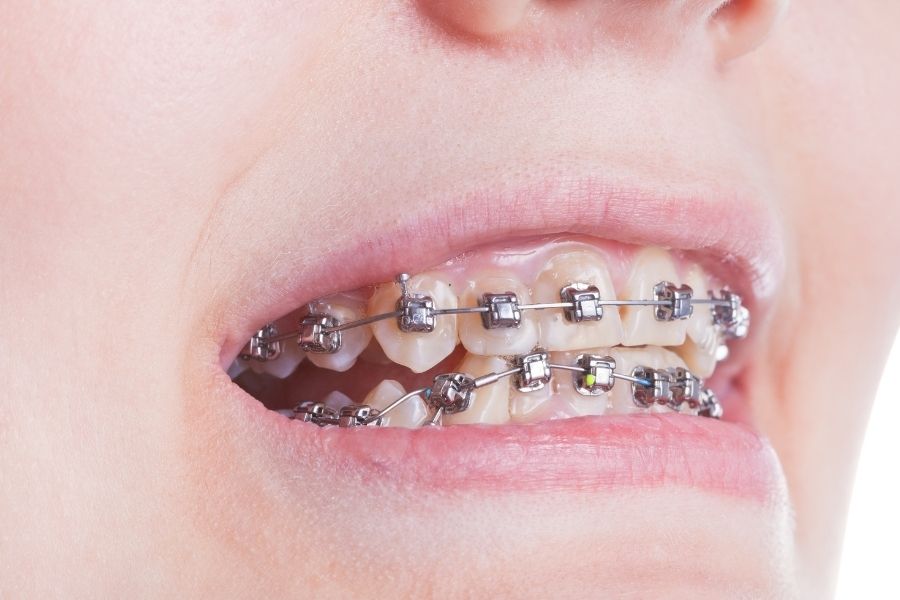
Patients should avoid clipping or cutting wires at home unless specifically instructed by their orthodontist. While online advice may suggest using nail clippers or other household tools, attempting to cut orthodontic wires without professional guidance carries risks. Small wire fragments can be difficult to control and may cause injury if not handled properly.
Whenever a wire becomes significantly displaced, contacting your orthodontic office is the safest course of action.
Common Mistakes to Avoid During Orthodontic Emergencies
Minor orthodontic problems often become more complicated when patients attempt aggressive home repairs. Understanding what not to do can be just as important as knowing the correct steps to take.
One common mistake is using excessive force to push wires back into place. Orthodontic wires are carefully designed to apply specific levels of pressure. Bending or distorting them may affect how the braces function and could prolong treatment.
Another mistake involves ignoring persistent discomfort. While temporary irritation is common, ongoing pain should be evaluated by an orthodontic professional. Delaying communication may allow a minor issue to become more significant.
Patients should also avoid consuming foods that may worsen the problem. Hard, crunchy, sticky, or chewy foods can place additional stress on already compromised brackets and wires. Choosing softer foods until the issue is resolved can help prevent further damage.
It is also important not to remove parts of the braces system on your own. Even if a bracket appears detached, professional evaluation is needed to determine the best next steps.
How to Prevent Future Problems With Braces
Although some orthodontic issues are unavoidable, many can be prevented through good habits and proper appliance care.
Following dietary recommendations is one of the most effective ways to protect braces. Foods such as hard candies, popcorn kernels, ice, nuts, and sticky caramel can place significant stress on brackets and wires. Choosing braces-friendly foods helps reduce the risk of unexpected damage.
Patients who participate in sports should wear an orthodontic mouthguard during practices and games. A properly fitted mouthguard can help protect both the teeth and orthodontic appliances from impact-related injuries.
Maintaining excellent oral hygiene also contributes to appliance longevity. Plaque buildup around brackets can weaken bonding materials over time and create additional oral health concerns.
Regular orthodontic appointments play an important role as well. Scheduled visits allow the orthodontist to monitor treatment progress, identify developing issues, and make necessary adjustments before problems become more significant.
Most importantly, patients should contact their orthodontic team whenever they notice changes in their appliances. Early intervention often prevents minor concerns from becoming larger complications.
When You Should Call Your Orthodontist
While many pokey wires and loose brackets can be managed temporarily at home, some situations require prompt professional attention. If pain becomes severe, swelling develops, or a wire is causing significant injury to the soft tissues, contacting your orthodontist as soon as possible is important.
You should also call if a bracket completely detaches from both the tooth and wire, if multiple brackets become loose at the same time, or if a wire breaks and creates a safety concern. Even when the issue seems minor, your orthodontic team can provide personalized recommendations based on your specific treatment plan.
Many patients worry that calling the office for a loose bracket or pokey wire may be an overreaction. In reality, orthodontists expect these situations to occur occasionally and would rather provide guidance early than see treatment disrupted later.
Staying Comfortable Until Your Appointment
Minor orthodontic issues can be inconvenient, but they are rarely reasons to panic. Most pokey wires and loose brackets can be managed safely at home with orthodontic wax, careful observation, and communication with your orthodontic team.
The most important thing is to avoid making major adjustments on your own. Temporary comfort measures are often sufficient until professional care can be provided. By responding calmly and following recommended guidelines, you can minimize discomfort and keep your treatment moving forward.
At Barlow Orthodontics, we are committed to helping patients navigate every stage of their orthodontic journey. If you experience a pokey wire, loose bracket, or another concern during treatment, our team can help determine the appropriate next steps and ensure your smile stays on track toward outstanding results.