
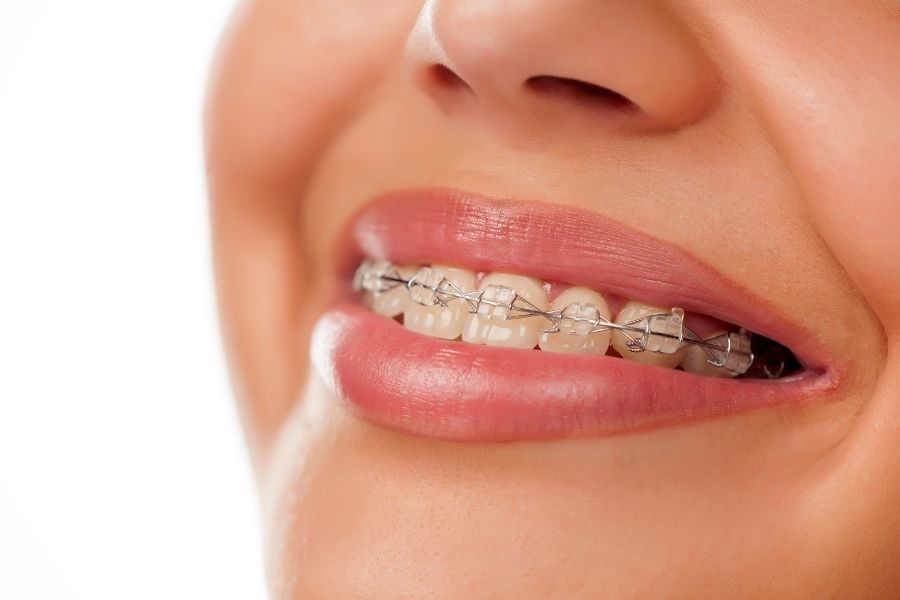
Finishing braces is an exciting milestone. After months or years of orthodontic treatment, your teeth are finally in their planned positions and your new smile is ready to enjoy. But removing braces does not mean orthodontic care is completely finished. Retainers play an important role in protecting the results you worked hard to achieve.
At Barlow Orthodontics, we often remind patients that retention is part of the orthodontic process, not an optional extra after treatment. Whether your smile was corrected with traditional braces, ceramic braces, or clear aligners, your teeth need support while the surrounding bone and tissues adjust to their new positions.
So, how long do you actually need to wear a retainer after braces? For many patients, the answer is longer than they expect. Retainer schedules can vary, but some form of long-term retention is generally recommended to help keep teeth properly aligned.
Why Do You Need a Retainer After Braces?
Braces apply controlled forces that gradually move teeth into better positions. Although the teeth may look perfectly aligned when the braces come off, the tissues and bone surrounding them still need time to adapt. Without retention, teeth can begin shifting toward previous positions.
This movement is known as orthodontic relapse. It can happen soon after treatment, but teeth can also shift naturally throughout adulthood. Changes in the jaw, aging, tooth wear, and other factors may affect alignment over time.
A retainer helps limit unwanted movement by holding your teeth in their corrected positions. Think of retention as protecting the progress made during active orthodontic treatment. Consistent retainer wear gives your smile the best opportunity to remain stable.
How Long Should You Wear Your Retainer Each Day?
Immediately after braces are removed, patients are often instructed to wear a removable retainer for much of the day, depending on their individual treatment plan. This early retention period is especially important because the teeth may be more likely to shift during the months following active treatment.

Your orthodontist may later transition you to nighttime wear. Once you reach that stage, wearing your retainer while sleeping can help maintain your tooth alignment without requiring daytime use.
There is no single schedule that is appropriate for every patient. The amount of movement completed during treatment, your bite, age, type of retainer, and individual stability can all influence the recommended schedule. Follow the instructions provided by your orthodontist rather than changing your wear time simply because your teeth appear straight.
Do You Have to Wear a Retainer Forever?
Many patients are surprised to learn that long-term retainer wear is often recommended. Teeth are not permanently fixed in place after braces. They remain capable of moving throughout life, even years after orthodontic treatment has ended.
For that reason, patients may be advised to continue wearing a retainer at night on a long-term basis. This does not necessarily mean wearing it around the clock forever. After the initial retention phase, many people find nighttime wear easy to incorporate into their regular routine.
The important point is consistency. If you want your teeth to stay as close as possible to their corrected positions, continuing to use your retainer as directed is one of the simplest ways to protect your orthodontic results.
What Happens If You Stop Wearing Your Retainer?
If you stop wearing your retainer, your teeth may gradually move. How quickly that happens varies considerably from person to person. Some patients notice a difference relatively soon, while others may experience subtle changes over a much longer period.
One of the first signs of movement may be that your retainer feels tighter than usual. A snug feeling can indicate that your teeth have shifted slightly since you last wore it. If the retainer still fits comfortably without excessive pressure, your orthodontist may provide guidance about getting back into a consistent routine.
However, you should not force a retainer onto teeth if it no longer fits properly or causes significant discomfort. Contact your orthodontist instead. Depending on the amount of movement, you may need a replacement retainer or an evaluation to determine the appropriate next step.
What Types of Retainers Are Used After Braces?
Retainers generally fall into two categories: removable and fixed. The right option depends on your orthodontic needs and the treatment plan recommended by your orthodontist.
Removable Retainers
Removable retainers can be taken out for eating, brushing, and flossing. Some are made from clear plastic that fits closely over the teeth, while others use an acrylic base and wire. Clear retainers are particularly popular because they are discreet and relatively simple to incorporate into everyday life.
Because these retainers can be removed, patient consistency matters. A retainer cannot maintain alignment while it is sitting in a case. Wearing it according to your prescribed schedule is essential for getting the intended benefit.
Fixed Retainers
A fixed, or bonded, retainer typically consists of a thin wire attached behind certain teeth. Because it stays in place, you do not have to remember to put it in each night. However, good oral hygiene around the wire is important.
Fixed retainers also require monitoring. A loose or damaged wire may no longer hold the teeth as intended. Regular dental visits and contacting your orthodontic office if something feels different can help identify problems early.
How Should You Take Care of Your Retainer?
Proper care can help keep a removable retainer clean and in good condition. Follow the cleaning instructions given by your orthodontic team, since recommendations can vary based on the material. Avoid exposing a plastic retainer to very hot water, which may distort its shape and affect the fit.
Keep your retainer in its case whenever you are not wearing it. Retainers wrapped in napkins are easily thrown away, while loose retainers can be damaged by pets or misplaced. Developing a consistent storage routine can prevent an inconvenient replacement.
You should also pay attention to changes in fit, cracks, rough edges, or other damage. Retainers do not necessarily last forever. If yours becomes damaged, lost, or noticeably loose, contact your orthodontic office rather than waiting until your teeth begin to move.
What If You Haven’t Worn Your Retainer in a Long Time?
If you find an old retainer after months or years of not wearing it, resist the temptation to force it into place. Your teeth may have shifted enough that the retainer is no longer appropriate.
An orthodontic evaluation can determine how much movement has occurred and what options may be available. Minor changes may require a different approach than more noticeable relapse. In some cases, limited orthodontic treatment may be considered, but only an examination can determine what is appropriate for an individual patient.
This is also a good reason to address a lost or broken retainer promptly. Replacing it sooner may help reduce the opportunity for unwanted tooth movement.
Retainer Wear Is Part of Long-Term Orthodontic Care
Braces move teeth into their planned positions, while retainers help maintain that alignment. Long-term retention is often recommended because teeth can continue to shift throughout life.
Consistent wear is especially important after braces are removed. Over time, many patients transition to nighttime wear based on their orthodontist’s instructions.
If a retainer becomes damaged, feels unusually tight, or no longer fits properly, an orthodontist can determine whether it needs to be adjusted or replaced.