If your child’s orthodontist has recommended a palate expander, one of your first questions may be, “How much does a palate expander cost?” It is a reasonable question, especially when you are trying to understand whether expansion is a stand-alone treatment or one part of a larger orthodontic plan.
Palate expander costs vary because orthodontic treatment is based on the patient’s anatomy, age, bite, and treatment needs. At Barlow Orthodontics, we evaluate these factors carefully as part of early orthodontic treatment. The goal is not simply to place an appliance. It is to determine whether expansion is appropriate, what type of appliance makes sense, and how it fits into the patient’s overall treatment plan.
For families researching costs, published U.S. estimates commonly place traditional palate expander treatment somewhere around $1,000 to $3,000, although actual fees can fall outside that range. The amount you pay may also depend on whether the expander is included in a broader Phase 1 treatment fee, insurance benefits, and the complexity of treatment.
What Is a Palate Expander?
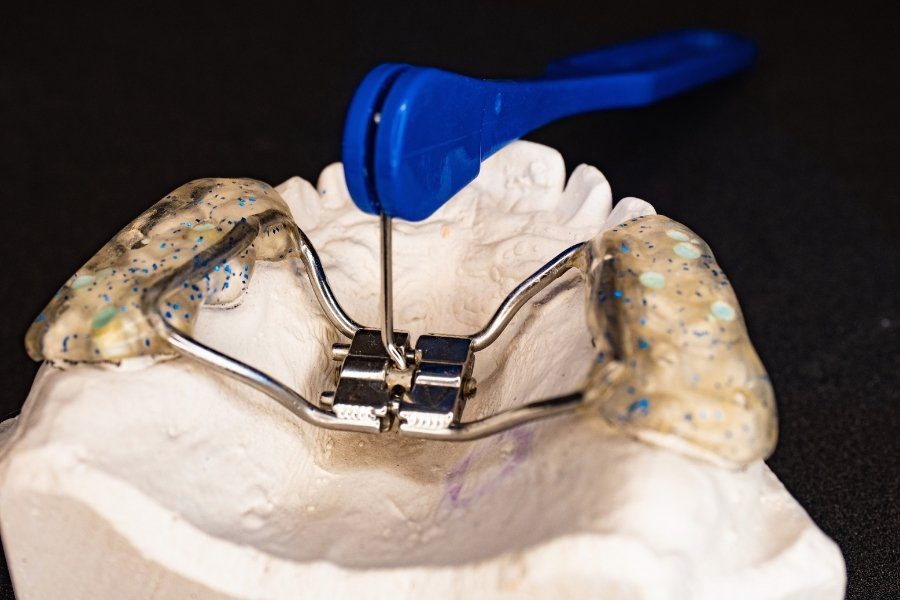
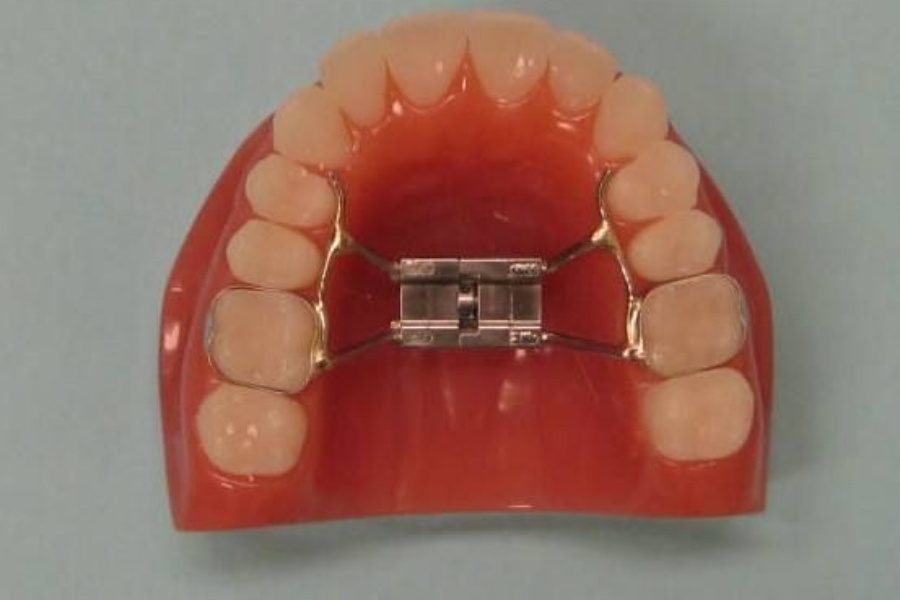
A palate expander is an orthodontic appliance designed to widen the upper jaw, also called the maxilla. Orthodontists may recommend expansion when the upper jaw is too narrow in relation to the lower jaw, when certain crossbites are present, or when additional room is needed for developing teeth.
Expansion is commonly considered during childhood because the upper jaw is still developing. A traditional expander applies controlled pressure to gradually widen the upper arch. The exact appliance, activation schedule, and length of treatment depend on the patient, so families should follow their orthodontist’s instructions rather than relying on a general schedule found online.
An expander is not necessary for every child with crowded teeth. An orthodontic evaluation helps determine whether the issue involves jaw width, tooth position, growth, or a combination of factors. That distinction matters because it influences both the treatment recommendation and the cost.
How Much Does a Palate Expander Cost on Average?
There is no single nationwide price that applies to every patient. Current published estimates commonly put traditional childhood palate expansion in the general range of about $1,000 to $3,000. Some sources list narrower ranges for particular appliances, while comprehensive Phase 1 treatment that includes an expander may have a different total fee.
This is why comparing prices without comparing what is included can be misleading. One orthodontic quote may represent only the appliance, while another may include diagnostic records, placement, adjustment appointments, monitoring, and other components of treatment.
At Barlow Orthodontics, we believe families should understand what they are paying for before beginning care. A personalized orthodontic evaluation provides a much more useful cost estimate than an online average because it connects the fee to the treatment actually recommended for your child.
What Factors Affect Palate Expander Cost?
The type of appliance is one important factor. Orthodontists can use different expansion approaches depending on the patient’s age, development, bite, and treatment goals. A traditional fixed expander may be appropriate for one child, while another patient may require a different approach.
Treatment complexity also matters. Some patients need expansion primarily to address a narrow upper arch, while others have several orthodontic concerns that need to be managed together. If an expander is part of comprehensive early treatment rather than a stand-alone procedure, the overall treatment fee may reflect more than the appliance itself.
Geographic location, laboratory costs, diagnostic records, follow-up appointments, and the practice’s fee structure can also influence pricing. Instead of focusing exclusively on the initial number, ask what the quoted fee includes and whether additional orthodontic treatment is expected afterward.
Is a Palate Expander Included in Phase 1 Orthodontic Treatment?
Sometimes. Phase 1 orthodontic treatment, also called early or interceptive treatment, is provided while a child still has a mixture of primary and permanent teeth. Expansion may be one component of that treatment when an orthodontist identifies a problem that can benefit from being addressed during growth.
In these situations, the expander may be incorporated into the overall Phase 1 treatment fee rather than priced as an isolated appliance. Other treatment may also be involved depending on the child’s needs. Published estimates suggest that comprehensive Phase 1 treatment containing an expander can cost more than an appliance-only quote.
Parents should also understand that Phase 1 treatment does not automatically eliminate the possibility of braces or clear aligners later. The purpose of early treatment is to address specific developing orthodontic problems at an appropriate time. Your orthodontist can explain what the first phase is intended to accomplish and what future treatment may reasonably be anticipated.
Does Dental Insurance Cover Palate Expanders?
Dental insurance may reduce the out-of-pocket cost of a palate expander, but coverage varies considerably. Plans with orthodontic benefits may contribute toward expansion when it is included within covered orthodontic treatment. Other plans may provide limited benefits, impose age requirements, use waiting periods, or exclude orthodontic treatment altogether.
Orthodontic insurance benefits also frequently operate differently from routine dental coverage. Some plans have a lifetime orthodontic maximum, meaning there is a limit on how much the plan will contribute toward eligible orthodontic care over the covered person’s lifetime.
Before assuming a particular amount will be covered, review your plan and request a benefit estimate when possible. Families should pay attention to deductibles, lifetime maximums, eligibility requirements, and whether benefits are shared between early treatment and future comprehensive orthodontic care.
Is a More Expensive Expander Better?
A higher price does not necessarily mean a better appliance for a particular patient. Orthodontic appliances are selected according to clinical needs, not simply according to price. The best option is the one that appropriately addresses the patient’s specific orthodontic problem.
This is another reason an examination is important before comparing costs. Two children who both appear to have crowded teeth may have very different underlying issues. One may benefit from expansion, while another may need observation or a different treatment approach.
Parents should feel comfortable asking why a particular appliance is being recommended, what the treatment is expected to accomplish, how long it may be needed, and what happens afterward. Clear answers make it easier to evaluate both the clinical recommendation and its value.
Are There Additional Costs After a Palate Expander?
Potentially. After active expansion, an appliance may remain in place for a period of time while the orthodontist monitors the result. Depending on the treatment plan, a patient may later need additional orthodontic treatment to guide tooth alignment and bite development.
The important question is whether those services are already included in the quoted treatment fee. Ask whether the estimate covers records, appliance fabrication, placement, routine visits, repairs, retention, and other anticipated treatment. Understanding the complete fee helps prevent confusion later.
Families should also ask whether future braces or clear aligner treatment would be considered a separate phase with a separate fee. An orthodontic office should be able to explain what is included now and which potential future services are not included.
When Is the Right Time to Ask About Expansion?
Timing can play an important role in orthodontic expansion because children’s jaws are still developing. The American Association of Orthodontists recommends that children have an orthodontic checkup no later than age seven. That does not mean every seven-year-old needs treatment. Many children simply need periodic monitoring.
An early evaluation allows an orthodontist to observe how permanent teeth are emerging and how the upper and lower jaws are developing. If a narrow upper jaw, crossbite, or another growth-related concern is present, the orthodontist can determine whether treatment should begin or whether waiting is more appropriate.
For parents, early evaluation can also make financial planning easier. Knowing whether treatment is likely to be recommended gives families time to understand insurance benefits, expected fees, and payment options before care begins.
Getting an Accurate Palate Expander Cost in St. Marys, GA
Online cost ranges are useful for general planning, but they cannot tell you what your child’s treatment will cost. The most accurate estimate comes after an orthodontist evaluates the teeth, bite, jaw development, and treatment goals and determines whether expansion is actually indicated.
At Barlow Orthodontics in St. Marys, Georgia, we care for families from St. Marys, Kingsland, Camden County, Yulee, Nassau County, and surrounding communities, including local military families. Our approach is grounded in honesty, integrity, excellence, and treating patients like family. That includes explaining recommended treatment and costs clearly.
If you are wondering whether your child needs a palate expander or what treatment may cost, schedule an orthodontic consultation with our team. A personalized evaluation can give you clear answers about timing, treatment options, expected costs, and the next steps for your child’s smile.