
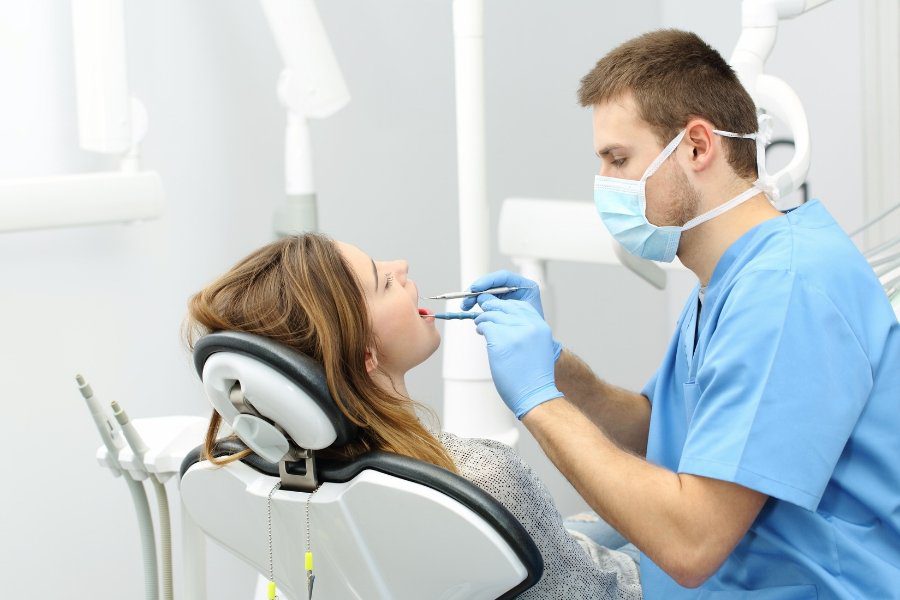
Completing orthodontic treatment is an exciting milestone. After months or years of wearing braces or clear aligners, seeing your new smile is rewarding. However, finishing active treatment does not mean your orthodontic journey is completely over. The care you provide your teeth afterward plays an important role in maintaining your results.
At Barlow Orthodontics, we believe every smile deserves attention beyond the final appointment. Whether you completed treatment with traditional braces, Clarity Advanced ceramic braces, or clear aligners, understanding post-orthodontic care helps protect your progress. One of the most important parts of this process is wearing your retainer as directed by your orthodontist.
Knowing what to expect after treatment, how to care for your teeth, and which habits to maintain can make a lasting difference in preserving your smile.
Why Post-Orthodontic Care Matters
Orthodontic treatment moves teeth into healthier, more balanced positions. However, the tissues and supporting structures surrounding your teeth need time to adjust to their new alignment. Even after braces are removed or clear aligner treatment is completed, your teeth can naturally shift over time.
This movement is known as orthodontic relapse. It can happen because the periodontal ligaments and surrounding tissues retain some memory of the teeth’s previous positions. Natural changes associated with aging and everyday biting forces can also influence tooth alignment.
This is why post-treatment care is essential. Without proper retention, teeth may gradually move away from the positions achieved during orthodontic treatment. Following your orthodontist’s recommendations helps maintain alignment and protect your investment in your smile.
Post-orthodontic care is not complicated, but consistency matters. Retainer use, good oral hygiene, and routine dental visits all contribute to long-term results.
Wearing Your Retainer: The Most Important Step
Retainers are custom-made appliances designed to hold your teeth in their corrected positions after active orthodontic treatment. They help prevent unwanted movement while the surrounding tissues adapt to your new alignment.
Your orthodontist will recommend a retainer based on your individual treatment needs, bite, and dental condition. Some patients receive removable retainers, while others may benefit from a fixed retainer attached behind their teeth.
How Long Should You Wear Your Retainer?
Retainer schedules vary from patient to patient. Immediately after treatment, many patients are instructed to wear removable retainers full-time, removing them for meals, brushing, and drinking anything other than water. Over time, your orthodontist may recommend transitioning to nighttime wear.
However, there is no universal schedule that works for everyone. Your recommended wear time depends on your orthodontic history and the likelihood of tooth movement.
One common misconception is that retainers are only necessary for the first few months after braces. In reality, teeth can shift throughout adulthood. Many patients benefit from wearing their retainers at night indefinitely to maintain their alignment.
The best approach is to follow your orthodontist’s instructions rather than reducing wear time independently.
What Happens If You Stop Wearing Your Retainer?
Repeatedly skipping retainer wear can allow your teeth to move. You might notice that your retainer feels tighter than usual or no longer fits comfortably. These changes may indicate that your teeth have started shifting.
Do not force a retainer that feels excessively tight or causes pain. Contact your orthodontist for guidance. Addressing minor movement early may help prevent more noticeable changes in alignment.
How to Clean and Maintain Your Retainer
Keeping your retainer clean is another important part of post-orthodontic care. Retainers spend hours in your mouth and can collect bacteria, plaque, food particles, and saliva deposits. Without proper cleaning, they may develop unpleasant odors or become discolored.
For removable retainers, rinse them with lukewarm water after taking them out. Gently clean them using a soft toothbrush and a cleaning method recommended by your orthodontist. Avoid hot or boiling water because excessive heat can distort certain retainer materials and affect their fit.
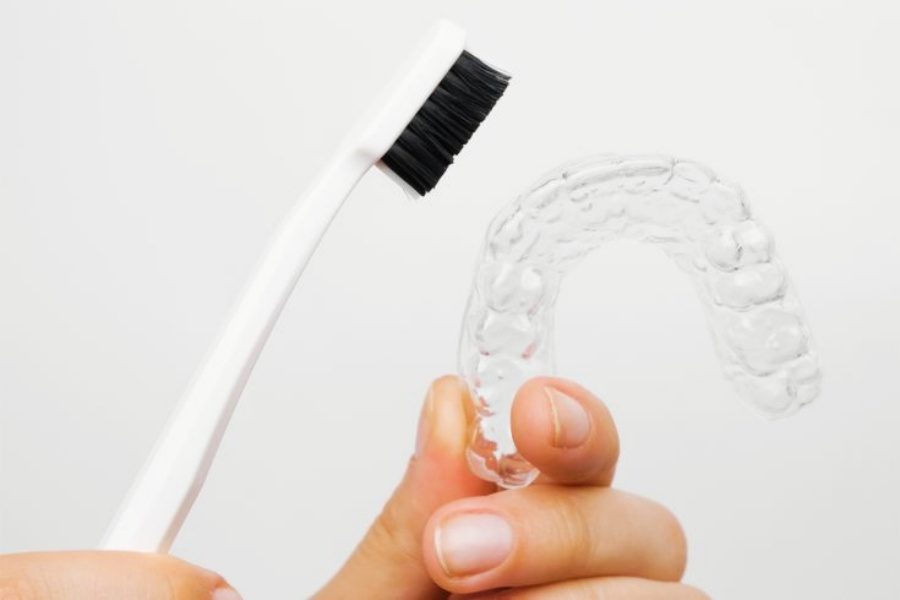
Do not use harsh household cleaners, abrasive products, or strong chemicals unless specifically approved for your retainer. These products may damage the appliance.
When you are not wearing your retainer, keep it in its protective case. Wrapping it in a napkin or leaving it on a countertop increases the risk of accidental damage or loss. Pets may also mistake retainers for chew toys, so store them somewhere safe.
If you notice cracks, unusual odors, or changes in fit, contact your orthodontic office. A damaged retainer may not provide the support your teeth need.
Maintaining Excellent Oral Hygiene After Braces
Once your braces are removed, brushing and flossing often become easier. However, that does not mean oral hygiene should become less of a priority. Healthy teeth and gums are essential to preserving the appearance and function of your smile.
During orthodontic treatment, plaque can collect around brackets and wires, sometimes contributing to white spots, cavities, or gum inflammation. After treatment, it is a good opportunity to establish consistent cleaning habits and address any concerns identified during your final appointments.
Brush your teeth at least twice daily using fluoride toothpaste and a soft-bristled toothbrush. Pay attention to the gumline and the surfaces between your teeth. Floss once daily to remove plaque and food particles that brushing cannot reach.
An electric toothbrush can also help improve plaque removal when used correctly. If you notice enamel discoloration or other concerns after braces, discuss them with your general dentist. Professional evaluation can help determine whether additional care is appropriate.
Remember that a straight smile is healthiest when the teeth and gums supporting it are also well cared for.
Eating Habits That Protect Your New Smile
After braces are removed, many patients are excited to enjoy foods they previously had to avoid. While there are fewer dietary restrictions once fixed appliances are gone, thoughtful eating habits remain important.
Hard foods, excessive chewing, and habits such as biting fingernails or chewing on pens can place unnecessary pressure on teeth. These behaviors may contribute to chipped teeth or unnecessary stress on your bite.
A balanced diet that includes vegetables, fruits, lean proteins, and calcium-rich foods supports general oral health. Drinking plenty of water also helps wash away food particles and maintain a healthy oral environment.
If you wear a removable retainer, take it out before eating unless your orthodontist has specifically instructed otherwise. Eating with a retainer can damage or distort the appliance. Avoid sugary or acidic beverages while wearing it, and remove it before consuming anything other than plain water.
Small everyday choices can help protect your teeth and maintain your results.
What to Expect After Your Braces Are Removed
The first few days after braces removal can feel different. Your teeth may seem unusually smooth, and your bite may take some time to feel completely natural. Some patients also experience mild sensitivity following the removal of brackets and adhesive.
These changes are generally temporary. Your teeth and mouth are adjusting to the absence of orthodontic appliances, and you may need time to become accustomed to your new smile.
Your orthodontist may recommend a professional dental cleaning after treatment, particularly if plaque or tartar has accumulated around brackets. Your general dentist can assess your enamel, gum health, and overall dental condition.
If you experience persistent discomfort, significant bite changes, or concerns about your tooth alignment, contact your orthodontist rather than waiting for your next routine appointment.
Keeping Up With Dental and Orthodontic Checkups
Finishing orthodontic treatment does not replace the need for regular dental care. Routine visits with your general dentist remain important for professional cleanings, cavity prevention, and monitoring gum health.
Your orthodontist may also recommend periodic retention checks to ensure your retainer continues to fit properly. These appointments provide an opportunity to identify potential problems before they become more difficult to address.
For patients with fixed retainers, professional monitoring is particularly helpful. Bonded retainers can occasionally loosen or break, sometimes without being immediately noticeable. If part of the wire becomes detached, contact your orthodontist to have it evaluated.
Even if everything feels comfortable, keeping up with recommended appointments helps ensure your teeth remain healthy and properly aligned.
Common Post-Orthodontic Problems and When to Seek Help
Most patients transition into the retention phase without major difficulties. However, certain issues can arise, and knowing how to respond can help protect your results.
A retainer that suddenly feels tight may indicate that your teeth have shifted. A retainer that cracks, breaks, or becomes distorted may no longer hold your teeth properly. Similarly, a loose fixed retainer should be checked promptly because the affected teeth may become more vulnerable to movement.
Some patients also notice small changes in their bite after treatment. While minor adjustments in how the teeth feel together can occur, persistent discomfort or noticeable changes should be evaluated.
Do not attempt to repair a broken retainer yourself or use an old appliance that no longer fits correctly. Your orthodontist can determine whether an adjustment, replacement, or additional treatment is needed.
Protect Your Smile With Consistent Post-Orthodontic Care
Maintaining your results after orthodontic treatment requires consistent retainer use, good oral hygiene, healthy habits, and regular dental checkups.
At Barlow Orthodontics, our commitment to honesty, integrity, and excellence extends beyond active treatment. We want every patient to enjoy a healthy, confident smile for years to come.
If you have questions about retainer care or notice changes in your tooth alignment, our team is here to help.
Visit Barlow Orthodontics at 2830 Saint Marys Rd., St. Marys, GA 31558. We proudly serve families throughout St. Marys, Kingsland, Camden County, Yulee, and Nassau County.
Real patients. Real smiles. Real results.