
Choosing the right type of braces is an important part of starting orthodontic treatment. While both steel and ceramic braces are designed to straighten teeth and improve your bite, they offer different advantages in terms of appearance, durability, maintenance, and cost. Understanding these differences can help you make a confident decision about your orthodontic care.
At Barlow Orthodontics, we offer orthodontic treatment options designed to meet different needs, lifestyles, and personal preferences. For patients considering traditional braces, two popular choices are stainless steel braces and Clarity Advanced ceramic braces. Both can effectively correct a variety of orthodontic concerns, but the right option depends on your treatment needs and what matters most to you.
Let’s take a closer look at steel braces vs. ceramic braces, how they compare, and what you should consider before choosing one.
What Are Steel Braces?
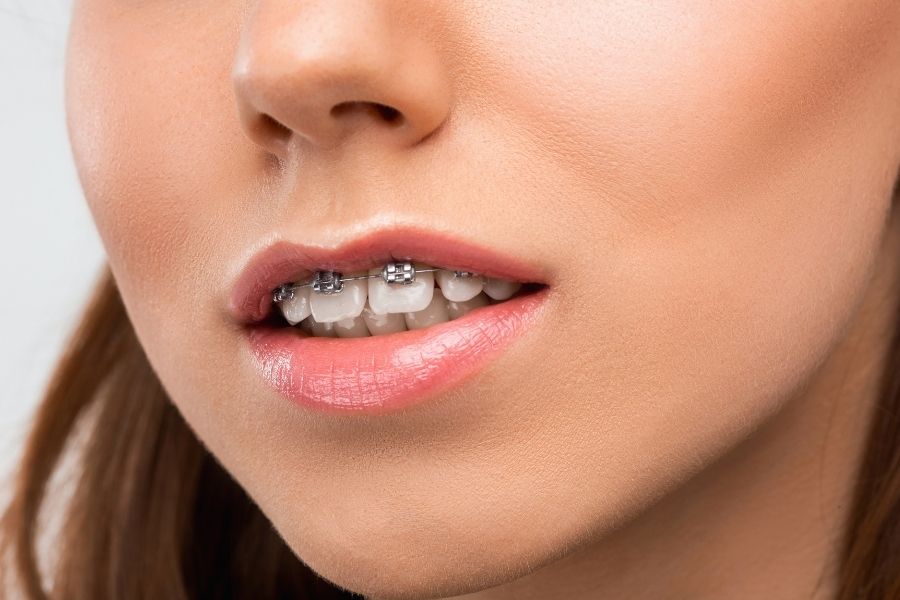
Steel braces, commonly called traditional metal braces, are one of the most established orthodontic treatment options. They consist of small stainless steel brackets attached to the front surfaces of the teeth. An orthodontic wire connects these brackets and applies gentle, controlled pressure to gradually move teeth into their desired positions.
Modern metal braces are smaller, more comfortable, and less noticeable than many older designs. They remain a reliable option for children, teenagers, and adults who need orthodontic correction.
One of the biggest advantages of steel braces is their strength. Stainless steel brackets are durable and designed to withstand the everyday forces associated with chewing and normal oral function. They are also versatile, allowing orthodontists to address concerns such as crowded teeth, spacing, rotated teeth, and many bite irregularities.
For patients who prioritize effectiveness, durability, and affordability, metal braces are often an excellent choice.
What Are Ceramic Braces?
Ceramic braces work using the same basic principles as traditional metal braces. They use brackets attached to the teeth and connected by an orthodontic wire to gradually guide teeth into better alignment.
The primary difference is their appearance. Ceramic brackets are made from tooth-colored or translucent materials that blend more naturally with the surrounding teeth. This makes them less noticeable than conventional stainless steel braces.
At Barlow Orthodontics, we offer Clarity Advanced Ceramic Braces for patients interested in a more discreet traditional braces option. These brackets are designed to provide effective orthodontic correction while maintaining a more natural appearance.
Ceramic braces are particularly popular among adults and older teenagers who want the reliability of fixed orthodontic treatment without the more noticeable look of metal brackets.
Although ceramic brackets are less visible, they still require proper care and regular orthodontic adjustments to keep treatment progressing as planned.
Steel Braces vs. Ceramic Braces: Understanding the Key Differences
Although both options straighten teeth through controlled pressure, there are several differences worth considering. Appearance, durability, maintenance, comfort, and overall cost can all influence your decision.
1. Appearance and Visibility
Appearance is often the first difference patients notice when comparing steel and ceramic braces.
Traditional steel braces have silver-colored brackets and wires that are clearly visible when speaking, smiling, or laughing. While modern designs are more compact than older versions, they remain noticeable.
Ceramic braces offer a more discreet appearance. Their tooth-colored or translucent brackets blend with natural teeth, making them less prominent in everyday situations. Depending on the wire and other components used, the overall appliance can have a much more subtle appearance.
For patients who feel self-conscious about wearing braces at work, school, or social events, ceramic braces may be an appealing option.
However, ceramic braces are not completely invisible. They can still be seen up close, particularly when smiling widely.
2. Durability and Strength
Durability is another important consideration, especially for younger patients or individuals with active lifestyles.
Stainless steel braces are highly durable and resistant to breaking under normal use. Their strength makes them suitable for a wide range of orthodontic concerns, including more complex tooth movements.
Ceramic brackets are strong enough to support orthodontic treatment, but the material is generally more brittle than stainless steel. This means ceramic brackets may be more likely to chip or break if exposed to excessive pressure or trauma.
Patients wearing ceramic braces should be mindful of hard, crunchy, and sticky foods. Following dietary recommendations helps reduce the risk of bracket damage and unnecessary repair appointments.
If durability is your main priority, steel braces generally have the advantage.
3. Comfort During Treatment
Both steel and ceramic braces can cause temporary soreness, especially after placement or routine adjustments. This discomfort is a normal response as teeth begin moving into new positions.
Modern metal brackets are designed with smoother surfaces and smaller profiles to improve comfort. Ceramic brackets also have smooth surfaces, although their size and design can vary depending on the system used.
Some patients find one material more comfortable than the other, but there is no universal winner. Comfort depends on factors such as bracket design, tooth position, individual sensitivity, and how your mouth adapts to treatment.
Our orthodontic team can help you understand what to expect and provide guidance for managing temporary soreness.
4. Staining and Appearance Over Time
Ceramic brackets themselves are generally resistant to staining. However, certain components used with ceramic braces, particularly elastic ties, may become discolored over time.
Foods and drinks such as coffee, tea, curry, tomato-based sauces, and other strongly pigmented items can contribute to discoloration of these components.
Good oral hygiene and mindful food choices help maintain a cleaner appearance throughout treatment.
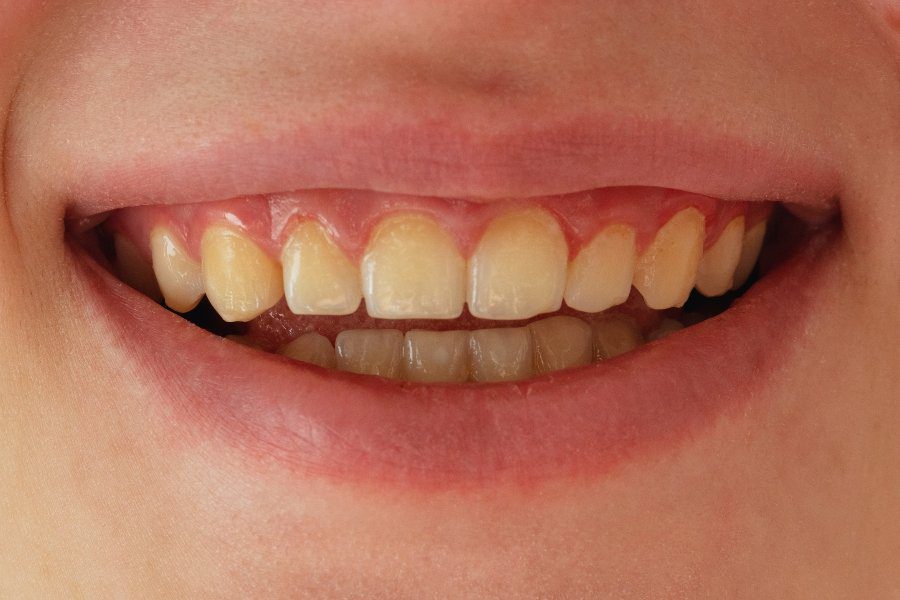
Steel braces do not have the same aesthetic concerns because their metallic brackets do not discolor in the same way. Their appearance remains relatively consistent throughout treatment.
If maintaining a discreet appearance is important to you, following your orthodontist’s cleaning recommendations can help ceramic braces look their best.
5. Cost and Overall Value
Cost is another factor patients often consider when choosing between steel and ceramic braces.
Traditional metal braces are generally the more affordable option. Their materials and established treatment systems often make them a cost-effective choice for patients who want reliable orthodontic correction.
Ceramic braces typically cost more because of their specialized bracket materials and aesthetic design.
However, the actual cost depends on several factors, including the complexity of your orthodontic concerns, expected treatment duration, and the specific appliance selected.
At Barlow Orthodontics, we believe patients deserve outstanding results and exceptional value. During your consultation, we can discuss available treatment options and explain the costs associated with your individual treatment plan.
Do Steel Braces Work Faster Than Ceramic Braces?
A common question patients ask is whether metal braces straighten teeth faster than ceramic braces.
In general, both systems can achieve excellent orthodontic results. The speed of treatment depends more on the complexity of the case, the movements required, patient cooperation, and biological factors than simply the bracket material.
For certain complex movements, an orthodontist may prefer metal braces because of their durability and mechanical properties. Ceramic braces can also effectively address many alignment and bite concerns.
Treatment time varies from patient to patient. Some individuals may complete treatment in a relatively short period, while others require more time to achieve their desired results.
Following instructions, attending scheduled appointments, maintaining good oral hygiene, and avoiding damaged brackets can help keep treatment on track.
Your orthodontist can provide a more realistic treatment estimate after evaluating your teeth and bite.
Which Type of Braces Is Better for Adults?
Both steel and ceramic braces can be suitable for adults. The best option depends on your orthodontic needs and personal preferences.
Many adults prefer ceramic braces because they are less noticeable during professional meetings, social activities, and everyday conversations. Their tooth-colored appearance allows patients to pursue orthodontic treatment without drawing as much attention to their braces.
Steel braces remain an excellent choice for adults who prioritize durability, affordability, and treatment versatility.
Age alone does not determine which appliance is appropriate. Adults can successfully undergo orthodontic treatment with either option when the appliance is suitable for their individual needs.
At Barlow Orthodontics, we welcome adults who want to improve their smiles and explore orthodontic treatment options.
How to Care for Steel and Ceramic Braces
Regardless of which type of braces you choose, good oral hygiene is essential throughout treatment. Brackets and wires create additional areas where food particles and plaque can collect, making consistent cleaning especially important.
Brush carefully after meals using a soft-bristled toothbrush. Pay attention to the areas around each bracket and along the gumline. Floss daily with an orthodontic floss threader or another recommended cleaning aid to remove food particles between teeth.

Avoid hard foods such as ice, hard candies, and unpopped popcorn kernels. Sticky foods and chewing gum can also damage orthodontic appliances.
For ceramic braces, be especially mindful of foods and drinks that may stain elastic components. Regular professional cleanings and good daily habits help maintain healthy teeth and gums.
Most importantly, attend your scheduled orthodontic appointments. These visits allow your orthodontist to monitor tooth movement, make necessary adjustments, and address any concerns during treatment.
Can You Switch From Steel Braces to Ceramic Braces?
In some situations, patients may be able to switch from metal braces to ceramic braces during treatment. However, this depends on the stage of treatment, the movements still required, and whether ceramic brackets are appropriate for the remaining orthodontic work.
Switching appliances is not always necessary or beneficial. Removing and replacing brackets involves additional procedures, time, and potential costs.
If you are interested in changing your braces for aesthetic reasons, discuss your concerns with your orthodontist before making a decision. They can determine whether switching is practical without compromising your treatment goals.
Steel Braces vs. Ceramic Braces: Which Should You Choose?
There is no single answer that works for every patient. Both steel and ceramic braces are effective orthodontic appliances, and each offers distinct advantages.
Steel braces may be the better choice if you want a durable, cost-effective option that can address a broad range of orthodontic concerns. They are particularly useful for patients who are less concerned about the visibility of their braces.
Ceramic braces may be preferable if appearance is a major consideration. Their tooth-colored brackets provide a more discreet alternative while offering the benefits of traditional fixed orthodontic treatment.
Ultimately, the right choice should be based on your dental condition, treatment goals, lifestyle, and budget. A professional orthodontic evaluation is the best way to determine which appliance will meet your needs.
Explore Your Braces Options Today
Choosing between steel and ceramic braces does not have to be complicated. Understanding the differences is a good starting point, but personalized guidance makes all the difference when selecting an orthodontic treatment.
At Barlow Orthodontics, Dr. Barlow and our experienced clinical team take the time to understand each patient’s needs, explain available options, and recommend treatment based on what is best for their smile. Our approach is guided by honesty, integrity, excellence, and treating every patient like family.
Whether you are considering traditional metal braces or Clarity Advanced Ceramic Braces, we are here to help you make an informed decision.