
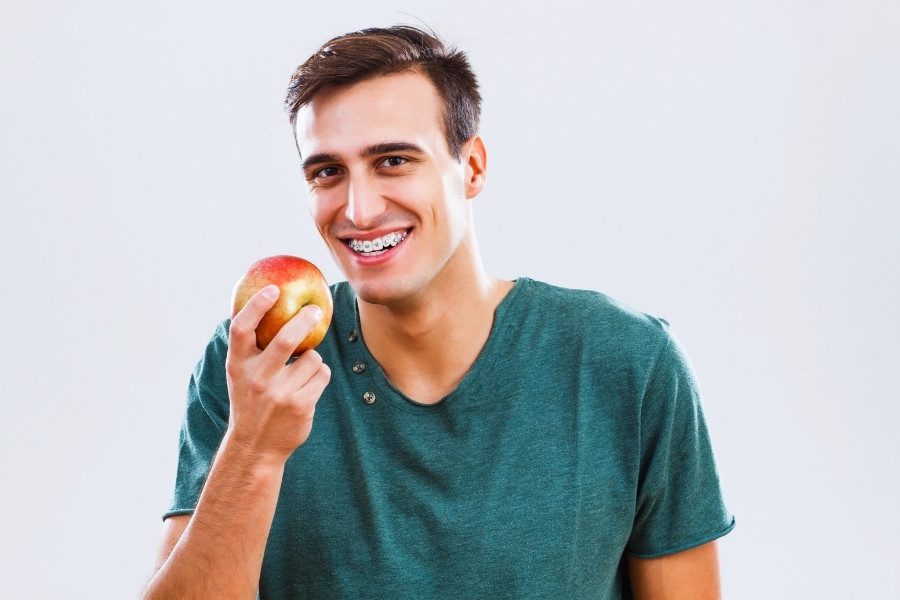
Getting braces is an exciting step toward a healthier, more confident smile, but the first few days can require some adjustment. Your teeth may feel tender, your cheeks and lips may need time to get used to the brackets, and foods that were easy to eat before treatment can suddenly feel uncomfortable. Knowing what to eat during the first week of braces can make this transition much easier.
At Barlow Orthodontics, we help patients throughout St. Marys, Kingsland, Camden County, Yulee, and nearby communities understand how to care for their smiles during orthodontic treatment. Whether you are wearing traditional braces or a discreet option such as Clarity Advanced ceramic braces, making thoughtful food choices helps protect your appliances while keeping meals comfortable.
The good news is that eating with new braces does not mean living on liquids or giving up enjoyable meals. During the first week, the goal is simply to choose softer foods, reduce unnecessary pressure on sensitive teeth, and avoid anything that could damage brackets or wires.
Why Your Diet Matters During the First Week of Braces
Some tenderness after braces are placed is common. Orthodontic treatment works by applying controlled forces to guide teeth toward their planned positions. As your mouth adjusts, biting and chewing may temporarily feel different or uncomfortable.
Soft foods require less chewing and put less pressure on tender teeth. They can also make it easier to eat balanced meals without irritating sensitive areas. According to guidance from the American Association of Orthodontists, foods such as oatmeal, scrambled eggs, yogurt, pasta, mashed potatoes, soft vegetables, bananas, and flaky fish can be comfortable choices after getting braces.
Your food choices also protect your orthodontic appliances. Brackets and wires are designed to handle normal daily activities, but hard, sticky, and excessively chewy foods can damage them. A broken bracket or bent wire may require an additional appointment and can interfere with treatment progress.
The Best Foods to Eat Right After Getting Braces
For the first day or two, choose foods that require very little chewing. Yogurt, applesauce, pudding, mashed potatoes, smoothies, scrambled eggs, and smooth soups are simple options. Foods can gradually become more substantial as your teeth begin feeling comfortable again.
Smoothies can be particularly convenient because they allow you to combine fruits, yogurt, milk, and other nutritious ingredients in an easy-to-consume meal or snack. Avoid adding hard ingredients that need to be chewed, and remember that smoothies containing fruit or added sugar should not replace good brushing habits.
Soup is another useful first-week option. Choose soups with soft vegetables, noodles, rice, beans, or tender proteins rather than crunchy toppings. Allow very hot foods to cool to a comfortable temperature if your mouth feels sensitive.
Breakfast Ideas for New Braces
Breakfast is usually one of the easiest meals to adapt. Scrambled eggs provide protein without requiring much chewing, while oatmeal can be prepared to a soft consistency and combined with mashed banana or other soft fruit. Yogurt and cottage cheese are also convenient options.
Pancakes and soft French toast can work well when cut into small pieces. Avoid hard crusts, crunchy granola, nuts, or other toppings that could place unnecessary pressure on your braces. Taking smaller bites can make eating much more comfortable during the first several days.
If mornings are busy, especially for families getting children ready for school, prepare soft options ahead of time. Overnight oats, yogurt, or a smoothie can reduce morning stress while giving a new braces patient something substantial to eat.
Lunch and Dinner Ideas for the First Week
You have plenty of choices beyond mashed potatoes. Soft pasta dishes, macaroni and cheese, rice, casseroles, tender cooked vegetables, beans, flaky fish, and soft shredded meats can provide satisfying meals without requiring aggressive chewing.
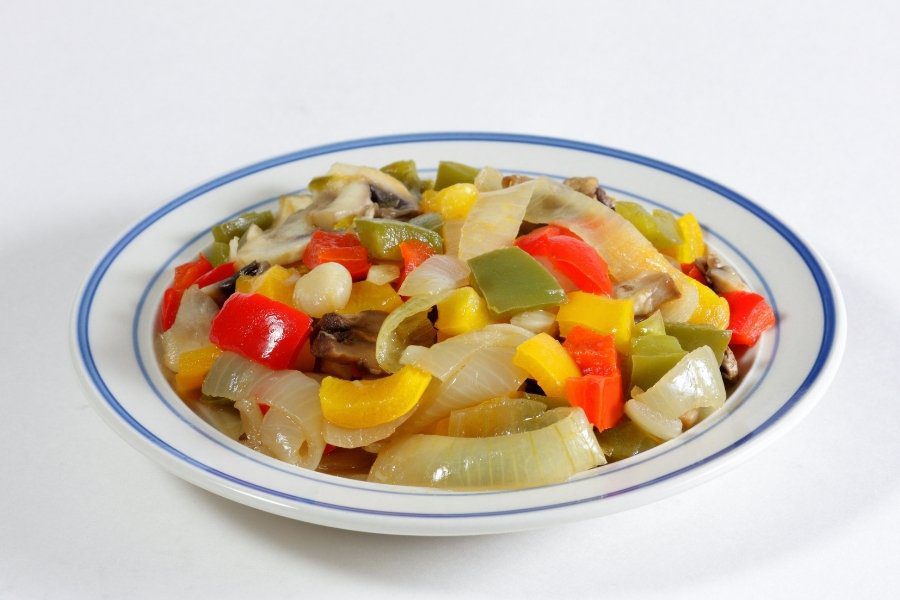
When eating meat, preparation matters. Tough or chewy pieces can be difficult with new braces, so choose tender options and cut them into small, manageable bites. Rather than biting directly into a sandwich or other larger food, cutting it into smaller pieces can reduce pressure on the front brackets.
Cook vegetables until they are tender instead of eating hard raw carrots or similar crunchy produce. Fruits can also be modified. Bananas and berries are naturally braces friendly, while firmer fruits such as apples and pears should be sliced into small pieces rather than bitten into whole.
Foods to Avoid With Braces
Some dietary restrictions apply beyond the first week because certain foods can damage orthodontic appliances. Hard candy, popcorn, nuts, ice, hard pretzels, sticky candy, caramel, and similar foods should generally be avoided while wearing braces. Crunchy chips, hard pizza crusts, and dense breads can also create problems.
Sticky foods may pull on brackets and become difficult to remove from around wires. Hard foods can loosen brackets or bend wires, particularly when you bite into them directly. Never chew ice, even if your teeth no longer feel tender.
This does not necessarily mean every firm food must disappear from your diet. Some foods can be made safer by changing how they are prepared. Cutting appropriate foods into bite-sized pieces, cooking vegetables until tender, and removing corn from the cob are examples of simple modifications that can help protect your braces.
How to Eat More Comfortably With New Braces
Slow down during meals and take smaller bites than usual. Chewing gently with your back teeth may feel more comfortable than biting firmly with sensitive front teeth. If something feels too difficult to chew, do not force it simply because it would normally be considered braces friendly.
Keep water nearby during and after meals. Rinsing with water can help loosen food particles that become trapped around brackets and wires. Patients should still brush and floss according to their orthodontist’s instructions because braces create additional spaces where plaque and food debris can collect.
Your comfort should gradually improve as your mouth adapts. You may also notice temporary tenderness following future orthodontic adjustments, and returning to softer foods for a short period can make those days easier.
A Simple First-Week Meal Plan
Planning meals before getting braces can make the first week much easier. On the first couple of days, breakfast might include scrambled eggs and yogurt, followed by soup for lunch and mashed potatoes with flaky fish or tender vegetables for dinner. Applesauce, pudding, bananas, or smoothies can work as snacks.
As chewing becomes more comfortable, add foods such as soft pasta, rice, casseroles, tender meats, steamed vegetables, pancakes, and sandwiches cut into small pieces. The exact pace will be different for every patient, so there is no need to rush back to firmer foods.
Try to maintain a varied diet rather than relying entirely on ice cream or other sweets simply because they are soft. Comfort matters, but your teeth and body still benefit from nutritious meals containing protein, fruits, vegetables, dairy or alternatives, and other foods appropriate for your individual dietary needs.
Remember to Clean Your Braces After Eating
Food can become trapped around brackets more easily than it did before braces. Careful brushing and flossing are therefore an important part of orthodontic treatment, not just during the first week but throughout your time in braces.
Rinsing your mouth with water after eating can help remove loose debris until you can brush properly. A travel toothbrush can also be useful for school, work, or days spent away from home. Follow the specific cleaning instructions provided by your orthodontic team and continue regular dental checkups and cleanings.
If a bracket becomes loose, a wire begins poking your cheek, or something about your braces does not seem right, contact your orthodontist for guidance rather than trying to solve a significant appliance problem yourself.
Your First Week Gets Easier
The first week with braces is mostly about learning what feels comfortable and developing a few new habits. Start with soft foods, take small bites, avoid hard and sticky choices, and gradually introduce more braces-friendly foods as tenderness improves. Most patients find eating becomes considerably easier once they adjust to their appliances.
At Barlow Orthodontics, we believe patients should feel informed and supported throughout treatment. If you are preparing to get braces or have questions about eating and caring for your appliances, talk with our team at your next visit. Personalized guidance from your orthodontist is always the best resource for questions about your specific treatment, and a little preparation can make your first week with braces much more comfortable.