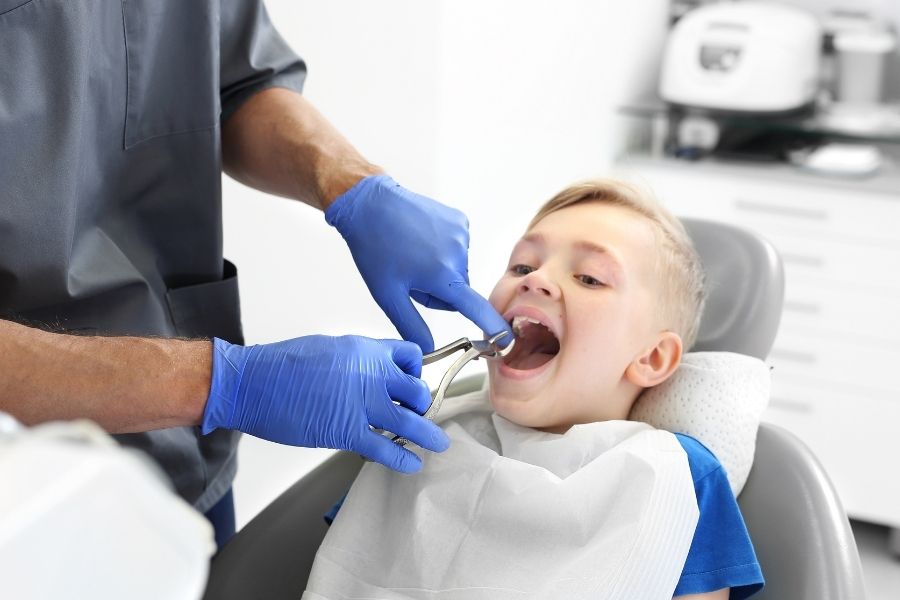
As a parent, you may wonder why your child would need to see an orthodontist when they still have baby teeth. It is a reasonable question. Many children do not need orthodontic treatment at a young age, but for some, addressing a developing problem early can help guide jaw growth, create room for incoming permanent teeth, or prevent an existing bite issue from becoming more complicated.
At Barlow Orthodontics, we evaluate children based on how their teeth, jaws, and bite are developing rather than simply recommending braces at a certain age. Our early orthodontic treatment, often called Phase 1 orthodontic treatment, is recommended only when there is a clear reason to intervene while a child is still growing. The goal is not necessarily to create a perfectly straight smile during childhood. Instead, treatment focuses on specific developmental concerns that may benefit from attention before all the permanent teeth arrive.
Understanding what Phase 1 treatment does, and when it may or may not be appropriate, can help parents make informed decisions about their child’s orthodontic care.
What Is Phase 1 Orthodontic Treatment?
Phase 1 orthodontic treatment is early treatment that typically takes place while a child has a combination of baby teeth and permanent teeth. This stage of dental development is known as the mixed dentition period. Because the jaws are still growing and permanent teeth are continuing to erupt, an orthodontist may have opportunities to address certain problems that could be more difficult to manage later.
Treatment is designed around the individual child’s needs. Depending on the concern, an orthodontist may use an appliance, limited braces, an expander, or another approach to influence tooth position, jaw development, or the bite. Phase 1 treatment is generally focused on correcting a specific problem rather than completing all of a child’s orthodontic care at once.
After Phase 1 is completed, there is often a period of observation while the remaining permanent teeth erupt. Some children later benefit from a second phase of treatment, while their future needs depend on how their teeth and jaws continue to develop.
At What Age Should My Child See an Orthodontist?
The American Association of Orthodontists recommends that children have their first orthodontic evaluation by age 7. That does not mean every 7-year-old needs braces. In fact, an early evaluation is often about monitoring development rather than immediately starting treatment.
By around this age, enough permanent teeth have usually appeared for an orthodontist to evaluate important relationships between the teeth and jaws. We can look at how the permanent teeth are erupting, whether there appears to be enough space for them, and whether the upper and lower jaws are developing in a healthy relationship.
An early visit also gives us a baseline. If treatment is not necessary, we can monitor the child’s development and determine an appropriate time for another evaluation. This approach allows us to recommend treatment based on need and timing instead of treating too early.
What Problems Can Phase 1 Orthodontics Address?
Certain orthodontic concerns are easier to recognize and manage while a child is still growing. One example is a crossbite, where some upper teeth bite inside the lower teeth rather than outside them. Depending on the cause and severity, an untreated crossbite may affect how a child bites or how the jaws develop.
Significant crowding is another reason an orthodontist may recommend early evaluation. If there is not enough room for permanent teeth to erupt properly, early treatment may sometimes help manage available space or guide developing teeth. Teeth that are erupting in unusual positions can also warrant closer attention.
Other concerns may include pronounced bite discrepancies, protruding front teeth, jaw growth differences, or oral habits that are affecting tooth and jaw development. The presence of one of these issues does not automatically mean a child needs Phase 1 treatment. A complete orthodontic evaluation is needed to determine whether early intervention offers a meaningful benefit.
Signs Parents May Notice at Home
Some orthodontic concerns are noticeable even without dental training. You might see that your child’s upper and lower teeth do not seem to fit together properly, that the front teeth protrude considerably, or that permanent teeth appear to be coming in with very little available space. Early or late loss of baby teeth can also be worth discussing with your child’s dentist or orthodontist.
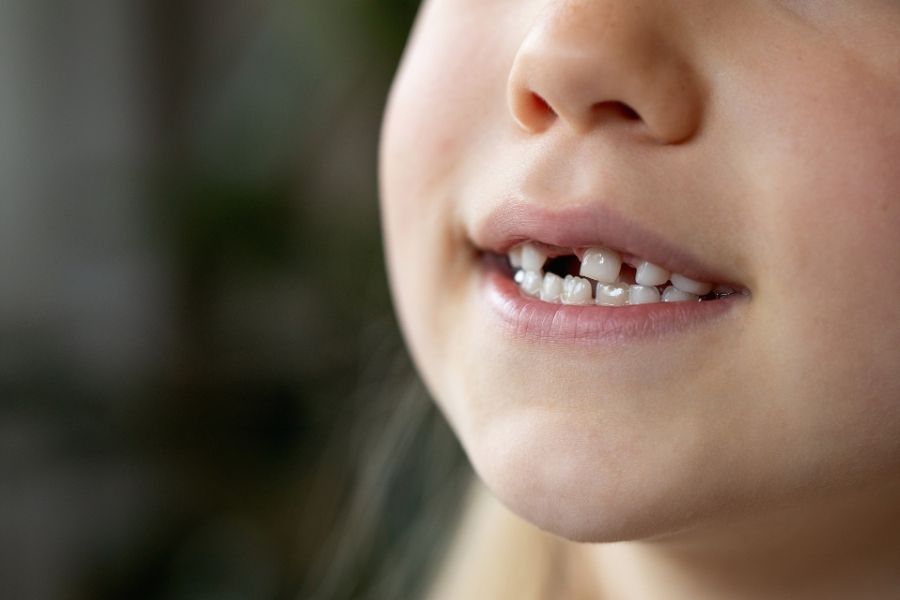
Parents may also notice that their child has difficulty biting or chewing certain foods, regularly bites the cheek, or shifts the jaw to one side when closing the mouth. Persistent thumb or finger habits can affect developing teeth and jaws as well. These signs do not provide a diagnosis, but they can be good reasons to schedule an orthodontic evaluation.
Some developmental problems are much less obvious. That is one reason an orthodontic examination can be useful even when a child’s smile appears relatively straight. The way the jaws and teeth fit together can matter just as much as how straight the front teeth look.
Does Early Treatment Mean My Child Will Not Need Braces Later?
Not necessarily. This is one of the most important things for parents to understand about two-phase orthodontic treatment. Phase 1 and comprehensive orthodontic treatment have different purposes.
Early treatment may address a specific bite, growth, or space-related concern while the child is still developing. Once most or all permanent teeth have erupted, another phase of treatment may be recommended to refine tooth alignment and the bite. Depending on the child’s needs, that later treatment could involve braces or clear aligners.
We believe parents should understand this possibility before Phase 1 treatment begins. Early orthodontics should have a clear purpose and expected benefit. It should not be presented as a guarantee that a child will avoid future orthodontic treatment.
When Is Waiting the Better Choice?
Sometimes the best orthodontic decision is simply to monitor growth. If a child’s bite is developing normally and there is no issue that would benefit from early correction, starting treatment immediately may offer little advantage.
Waiting allows additional permanent teeth to erupt and gives the jaws more time to develop. Once a child reaches the appropriate stage, comprehensive treatment can address alignment and bite concerns together. The ideal timing varies because children grow and develop at different rates.
At Barlow Orthodontics, our approach is grounded in honesty, integrity, excellence, and treating patients like family. That means recommending early treatment when we believe it can provide a meaningful benefit and recommending observation when treatment can safely wait.
What Happens During an Early Orthodontic Evaluation?
An early orthodontic visit gives us an opportunity to evaluate your child’s teeth, bite, jaw relationships, and overall stage of dental development. We also consider how permanent teeth are erupting and whether there are signs that space, growth, or bite problems may develop.
Parents should feel comfortable asking why treatment is being recommended, what the treatment is intended to accomplish, how long it may take, and whether future orthodontic care is likely. These conversations are an important part of making an informed decision.
If immediate treatment is not needed, an orthodontist may recommend periodic observation. Monitoring a child as they grow allows treatment to begin at a more appropriate time if a problem develops or becomes easier to address.
What Parents Should Remember About Phase 1 Treatment
Phase 1 orthodontic treatment can be helpful for certain children, but it is not necessary for every child. The decision depends on factors such as jaw growth, bite development, available space for permanent teeth, and the type and severity of the orthodontic concern.
An early orthodontic evaluation can help determine whether there is a reason to intervene during growth or whether monitoring is the better approach. In many cases, waiting for additional permanent teeth to erupt is entirely appropriate. In others, addressing a specific issue earlier may make it easier to manage as the child continues to develop.
The most important question is not simply whether a child has crooked teeth. It is whether there is a developing orthodontic problem that could benefit from treatment at this stage. A thorough evaluation gives parents the information they need to understand their child’s development and make an informed decision about the timing of care.