
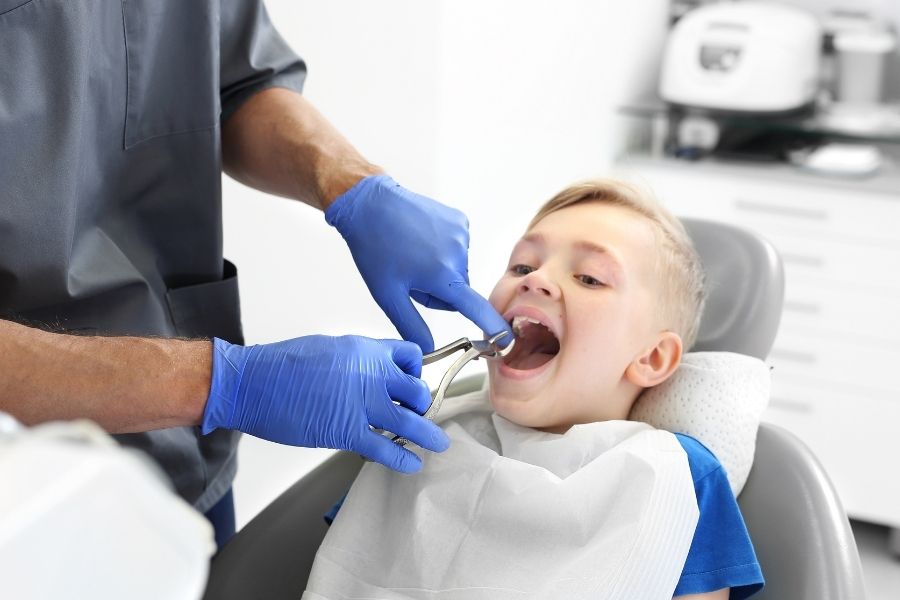
As parents, we all want to give our children the best possible start in life—including a healthy, confident smile. While many people associate orthodontic treatment with teenagers wearing braces, some orthodontic concerns can be identified and addressed much earlier. Early orthodontic treatment, sometimes called Phase One treatment, focuses on guiding a child’s developing teeth and jaws to help create a healthier foundation for future growth.
At Barlow Orthodontics, we regularly evaluate children during their growth years to determine whether early orthodontic treatment may be beneficial. While not every child requires treatment at a young age, early evaluations can help identify issues before they become more complex. Depending on a child’s needs, treatment options may include growth-guiding appliances, space maintenance, or other orthodontic solutions designed to support proper development before considering options such as braces or clear aligners later in adolescence.
Understanding when to schedule an orthodontic evaluation and what signs to watch for can help parents make informed decisions about their child’s oral health.
What Is Early Orthodontic Treatment?
Early orthodontic treatment refers to orthodontic intervention that takes place while a child still has a mixture of baby teeth and permanent teeth. This stage typically occurs between the ages of 6 and 10, when the jawbones are still actively growing and developing.
The purpose of early treatment is not necessarily to achieve a perfect final smile immediately. Instead, it focuses on correcting or reducing specific developmental problems that could become more severe if left untreated. By addressing certain issues during a child’s growth phase, orthodontists can often improve jaw development, create space for incoming permanent teeth, and reduce the likelihood of more complicated treatment later.
It is important to understand that early treatment is recommended only when there is a clear clinical benefit. Many children can safely wait until more permanent teeth have erupted before beginning orthodontic care. An orthodontic evaluation helps determine which approach is most appropriate for each individual child.
When Should a Child First See an Orthodontist?
The American Association of Orthodontists recommends that children receive their first orthodontic evaluation by age seven. This recommendation often surprises parents because many children still have baby teeth at this age.
However, age seven is an ideal time for an orthodontic assessment because several permanent teeth have typically erupted, allowing orthodontists to evaluate developing bite relationships and jaw growth patterns. Even if no immediate treatment is needed, an early evaluation establishes a baseline and enables ongoing monitoring as a child grows.
In many cases, the outcome of an early evaluation is simply observation. Regular checkups allow the orthodontist to track development and recommend treatment only if and when it becomes necessary. This proactive approach helps ensure that care is delivered at the most effective time.
Why Timing Matters in Orthodontics
One of the most important factors in orthodontic treatment is timing. Children’s jaws are still growing, making them more responsive to certain types of orthodontic correction than fully developed adult jaws.
When growth-related issues are identified early, orthodontists may be able to guide jaw development and influence the positioning of erupting teeth. Waiting until growth is complete can sometimes limit treatment options and may require more extensive intervention to address the same concerns.
For example, a child with a developing crossbite may benefit from treatment that helps widen the upper jaw during a period of active growth. Similarly, significant crowding may be managed more effectively when addressed before all permanent teeth have erupted.
Early intervention does not guarantee that future treatment will be unnecessary. However, it can often simplify future orthodontic care, improve outcomes, and help prevent certain problems from worsening over time.
Common Signs That May Indicate a Need for Early Orthodontic Treatment
Parents are often the first to notice changes in their child’s smile or bite. While only an orthodontic evaluation can determine whether treatment is necessary, several signs may indicate that a child could benefit from an assessment.
Difficulty chewing or biting food may suggest underlying bite problems. Children who frequently bite their cheeks, struggle to close their teeth comfortably, or avoid certain foods may have orthodontic issues that warrant evaluation.
Persistent thumb sucking beyond early childhood can also affect dental and jaw development. Prolonged habits may contribute to changes in tooth alignment and bite relationships that become more difficult to correct over time.
Crowded, overlapping, or unusually spaced teeth may signal developing alignment concerns. While some spacing is normal during childhood, significant crowding can indicate insufficient room for incoming permanent teeth.
Parents should also pay attention to jaws that shift when opening or closing, teeth that do not meet properly, mouth breathing, speech difficulties related to tooth positioning, and early or late loss of baby teeth. These factors can sometimes influence oral development and may benefit from professional evaluation.
Conditions That Early Orthodontic Treatment May Address
Orthodontists evaluate a wide range of developmental concerns during childhood. Early treatment may be recommended for certain conditions that are more effectively addressed while a child is still growing.

Severe Crowding
Crowding occurs when there is insufficient space within the dental arches to accommodate all permanent teeth. Significant crowding can increase the risk of impacted teeth, difficulty cleaning between teeth, and uneven eruption patterns.
Early orthodontic intervention may help create additional space, guide erupting teeth into more favorable positions, and support healthier dental development. Managing crowding during growth can sometimes reduce future treatment complexity.
Crossbites
A crossbite occurs when upper teeth fit inside lower teeth rather than outside them. Crossbites may involve individual teeth or larger sections of the dental arch.
When left untreated, crossbites can contribute to uneven tooth wear, jaw shifts, and asymmetrical growth patterns. Because jaw structures are still developing during childhood, early correction can often be particularly effective.
Protruding Front Teeth
Children with significantly protruding upper front teeth may face an increased risk of dental injuries during sports, play, or everyday activities. Early treatment may help improve tooth positioning and reduce vulnerability to trauma.
Addressing protrusion can also enhance bite function and contribute to greater confidence during childhood, particularly when appearance-related concerns begin to emerge.
Underbites and Overbites
Certain jaw discrepancies become more apparent as children grow. An underbite occurs when lower teeth sit in front of upper teeth, while an excessive overbite involves substantial overlap of upper teeth over lower teeth.
In some cases, growth modification techniques can help guide jaw development during childhood. Early intervention may improve skeletal relationships and support more balanced facial growth.
Impacted or Ectopic Eruption Patterns
Occasionally, permanent teeth begin erupting in unfavorable positions or become trapped beneath surrounding structures. Early identification allows orthodontists to monitor eruption patterns and intervene when necessary to improve tooth positioning and reduce complications.
The Benefits of Early Orthodontic Treatment
The advantages of early orthodontic treatment extend beyond aesthetics. While creating a more attractive smile is often a welcome outcome, many benefits relate directly to oral health and function.
Improved bite alignment can make chewing more efficient and comfortable. Properly positioned teeth also tend to be easier to clean, supporting better oral hygiene and reducing areas where plaque and food debris can accumulate.
Early intervention may help preserve space for permanent teeth, reducing the likelihood of severe crowding and complicated eruption patterns. In some situations, guiding jaw development can improve facial balance and overall dental function.
Another significant advantage is the opportunity to address concerns before they become more complex. Certain orthodontic problems are easier to manage during periods of active growth than after growth has slowed or stopped.
For many families, early treatment provides peace of mind. Parents gain a clearer understanding of their child’s developmental needs, while children benefit from ongoing monitoring and care tailored to their individual growth patterns.
What Happens During an Early Orthodontic Evaluation?
Many parents are unsure what to expect during an orthodontic consultation. Fortunately, the process is straightforward and designed to provide valuable information about a child’s oral development.
During the evaluation, the orthodontist examines the teeth, jaws, bite relationships, and facial growth patterns. Diagnostic records such as photographs, digital scans, or X-rays may be recommended to provide a comprehensive view of developing structures.
The orthodontist assesses how permanent teeth are erupting, whether sufficient space exists within the dental arches, and whether jaw growth appears balanced. Any existing concerns are discussed with parents, along with potential treatment recommendations if necessary.
In many cases, no immediate treatment is required. Instead, the child may enter a growth observation program that includes periodic evaluations to monitor development and determine the ideal timing for future care.
Does Early Treatment Eliminate the Need for Braces Later?
This is one of the most common questions parents ask, and the answer depends on the child’s specific needs.
For some children, early orthodontic treatment significantly reduces future treatment requirements. In other cases, a second phase of treatment involving braces or clear aligners may still be recommended after most permanent teeth have erupted.
The goal of Phase One treatment is not necessarily to eliminate future orthodontic care. Rather, it focuses on addressing developmental issues at the most effective time and creating a healthier foundation for future treatment if needed.
Even when a second phase is required, early intervention often simplifies later treatment and can contribute to improved long-term results.
Supporting Healthy Smile Development at Home
Parents play an important role in supporting their child’s orthodontic health. Encouraging consistent brushing and flossing habits helps maintain healthy teeth and gums throughout childhood.
Routine dental visits remain essential for monitoring oral health and identifying concerns early. Limiting prolonged thumb sucking or pacifier use, when appropriate, may also help support healthy dental development.
Protective mouthguards should be worn during sports and recreational activities to reduce the risk of dental injuries. Parents who notice changes in their child’s bite, jaw function, or tooth eruption patterns should consider seeking an orthodontic evaluation for professional guidance.
Early Evaluation Can Make a Lasting Difference
Every child develops at a unique pace, which is why individualized orthodontic evaluations are so valuable. While not all children require early treatment, identifying developmental concerns during the growth years allows orthodontists to determine the most effective course of action and timing.
At Barlow Orthodontics, we believe in providing honest, personalized guidance that prioritizes each child’s long-term oral health. Early orthodontic evaluations help us monitor growth, identify potential concerns, and recommend treatment only when it offers meaningful benefits.
If you have questions about your child’s smile development or wonder whether an orthodontic evaluation is appropriate, scheduling a consultation can provide clarity and peace of mind. With the right timing and individualized care, children can build a strong foundation for healthy, confident smiles that last a lifetime.