
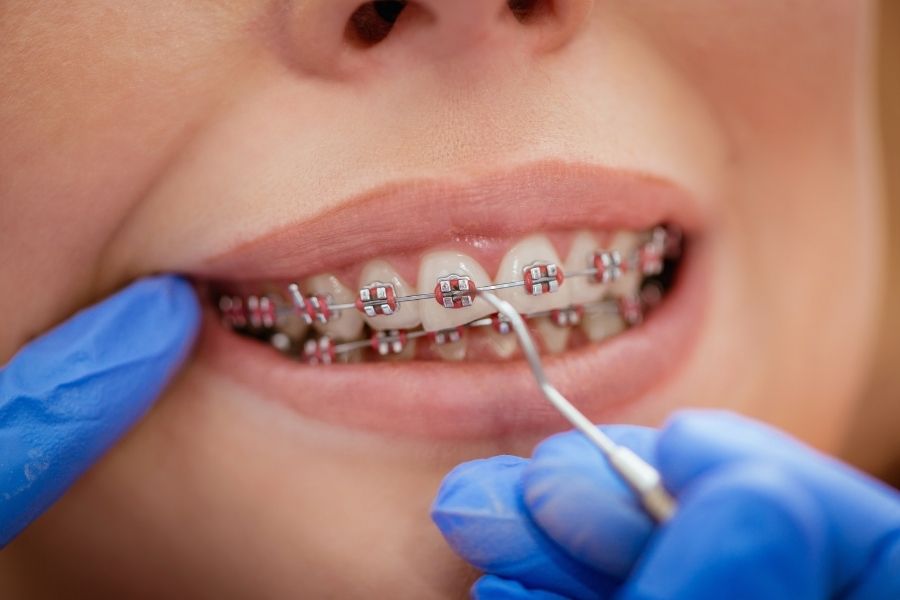
Crowded teeth are one of the most common reasons people consider orthodontic treatment. Crowding happens when there is not enough room in the mouth for the teeth to line up properly. Teeth may overlap, rotate, sit too far forward or backward, or erupt in positions that make the smile look uneven.
At Barlow Orthodontics, patients and parents often want to know how long it will take to correct crowding before they begin treatment. There is no single timeline that applies to everyone. Depending on the amount of crowding, bite concerns, age, tooth movement needed, and other individual factors, treatment with braces may take anywhere from several months for limited corrections to around 18 to 24 months or longer for more complex cases. We offer options such as traditional orthodontic treatment and Clarity Advanced ceramic braces, with recommendations based on each patient’s specific needs.
The important thing to understand is that treatment time is determined by much more than how crowded the teeth appear. An orthodontic evaluation gives us a clearer picture of what needs to move, how the bite fits together, and what approach can produce a healthy, stable result.
What Does It Mean to Have Crowded Teeth?
Dental crowding occurs when the available space in the dental arches is not sufficient for the teeth to align normally. A patient may have only one or two slightly rotated teeth, or several teeth may overlap significantly. Crowding can affect the upper teeth, lower teeth, or both.
The appearance of the front teeth is only part of the picture. An orthodontist also evaluates the position of the roots, jaw relationships, bite, available space, and the way the upper and lower teeth fit together. Two patients whose smiles look similarly crowded may therefore require very different treatment plans.
Crowding can develop for several reasons. Genetics can influence jaw size and tooth size, while the loss or positioning of baby teeth may affect how permanent teeth erupt. This is why determining the cause and extent of crowding is an important part of planning treatment.
How Long Do Braces Usually Take for Crowded Teeth?
For many patients, comprehensive orthodontic treatment falls somewhere around 12 to 24 months, although individual treatment times can be shorter or longer. Mild crowding generally requires less tooth movement than severe crowding, but the amount of visible crowding alone cannot reliably predict how long braces will be needed.
A relatively simple case may involve creating a small amount of space and aligning a few rotated teeth. More significant crowding may require movement throughout the dental arch, bite correction, space management, or other treatment steps. Those additional movements can extend the overall timeline.
It is also common for teeth to begin looking noticeably straighter well before treatment is finished. That does not necessarily mean the braces are ready to come off. Once initial alignment occurs, additional time may be needed to refine tooth positions, coordinate the bite, and complete the treatment goals established at the beginning of care.
What Factors Affect How Long Braces Take?
The severity of crowding is an important factor, but it is only one consideration. Orthodontic treatment involves controlled tooth movement, and the rate and complexity of that movement vary from patient to patient.
Age can play a role, although adults can successfully undergo orthodontic treatment as well as teens. The position of individual teeth and their roots also matters. A tooth that needs to rotate significantly or move a greater distance may require more time than a tooth needing a minor adjustment.
Bite problems can add another layer to treatment. If a patient has an overbite, underbite, crossbite, open bite, or another alignment concern in addition to crowding, we need to consider both tooth position and how the upper and lower teeth work together. Our goal at Barlow Orthodontics is not simply to make the front teeth look straight. Treatment planning considers the entire smile and bite.
Patient cooperation matters too. Keeping scheduled appointments, following instructions, wearing elastics when prescribed, and taking good care of braces can help treatment progress as planned. Broken brackets or repeatedly missed appointments may interfere with progress and potentially add time to treatment.
Does Severe Crowding Always Mean a Much Longer Treatment?
Not necessarily. Severe crowding can make treatment more complex, but treatment length depends on how space will be created and how the teeth and bite need to move. The orthodontist needs diagnostic information before estimating a realistic timeline.
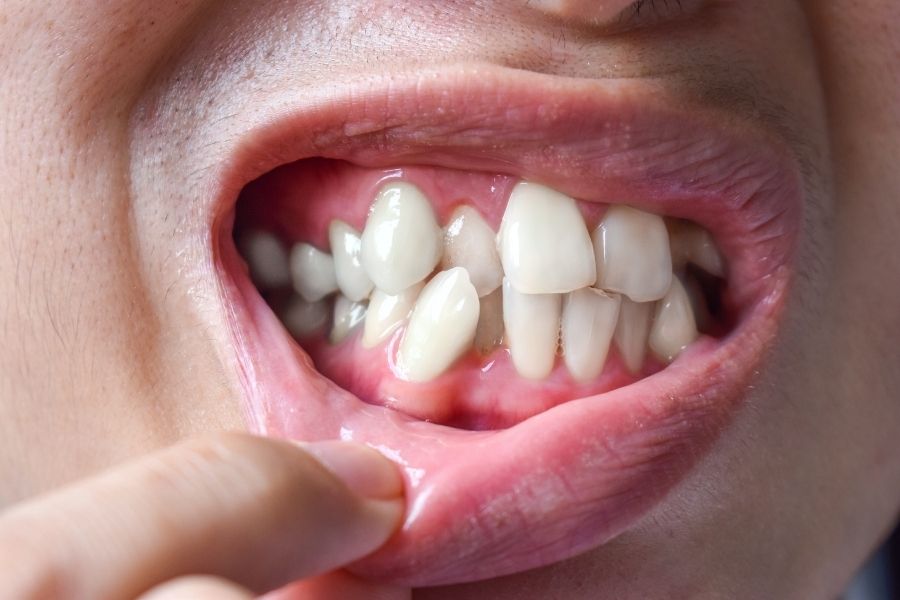
Some patients have enough room to resolve crowding through carefully planned tooth movement. Other situations may require different methods of managing space. Decisions about extractions or other treatment procedures are highly individual and should only be made after a complete orthodontic evaluation.
This is one reason online estimates have limited value. Photos can show that teeth overlap, but they cannot provide all the information needed to understand root position, underlying bone, bite relationships, or the full treatment plan.
Can Braces Fix Crowded Teeth Faster?
Patients understandably want treatment to be as efficient as possible. Modern orthodontic techniques allow us to plan tooth movement carefully, but biological tooth movement still takes time. Trying to rush that process is not the goal.
The best way to support an efficient treatment timeline is to follow the treatment plan consistently. Attend appointments as recommended, avoid foods that can damage braces, maintain good oral hygiene, and follow instructions for elastics or other appliances. Small habits throughout treatment can help prevent avoidable delays.
It is also helpful to remember that the shortest possible treatment is not necessarily the best treatment. We focus on completing the movements needed for a well-aligned smile and properly functioning bite rather than removing braces according to an arbitrary deadline.
How Do You Know How Long Your Braces Will Take?
A personalized orthodontic consultation is the best way to get a meaningful estimate. During an evaluation, we can assess the amount of crowding, tooth positions, bite relationships, available space, and other factors that influence treatment.
After gathering the appropriate diagnostic information, an orthodontist can explain the recommended treatment approach and provide an estimated timeframe. Even then, the timeline is an estimate because people respond to orthodontic treatment at different rates.
Throughout treatment, progress is monitored at regular appointments. Adjustments can be made as the teeth move and the bite develops. This ongoing supervision helps keep treatment focused on the intended result.
What Happens After Crowded Teeth Are Straightened?
Finishing active orthodontic treatment is not the end of maintaining the result. Once braces are removed, retainers are typically used to help hold the teeth in their corrected positions. Teeth naturally have a tendency to shift over time, so retention is an important part of protecting the progress made during treatment.
The type of retainer and recommended wear schedule can vary by patient. Following those instructions is particularly important after correcting crowding because teeth that were previously rotated or overlapped may have a tendency to move.
Long-term retainer wear can help preserve alignment and keep the smile looking its best. Your orthodontist can provide specific instructions based on your treatment and individual needs.
Get a Personalized Braces Timeline
Treatment time for crowded teeth depends on the amount of crowding, your bite, and the tooth movement needed. At Barlow Orthodontics, we provide personalized orthodontic care for children, teens, and adults in St. Marys, Kingsland, Camden County, Yulee, and nearby communities.
Schedule a consultation to learn how long braces may take for your smile and which treatment options may be right for you.