

Getting your braces removed is an exciting milestone. After months or years of appointments, adjustments, and careful brushing, you finally get to enjoy your finished smile. But orthodontic treatment does not end the moment your braces come off. Retention is the next phase, and it plays an important role in maintaining the position of your teeth.
At Barlow Orthodontics, we help patients throughout St. Marys, Kingsland, Camden County, Yulee, and nearby communities understand what comes after active treatment. Whether you have completed treatment with traditional braces, ceramic braces, or clear aligners, wearing a retainer as directed helps protect the progress you have made. Teeth can naturally shift over time, so retention should be considered part of your long-term orthodontic care.
There are several types of retainers after braces, and each has specific advantages, care requirements, and considerations. The right choice depends on your teeth, your treatment history, and your orthodontist’s recommendations. Understanding the differences can make the transition from braces to retention much easier.
Why Are Retainers Necessary After Braces?
Braces gradually move teeth by applying controlled forces. As teeth move, the bone and tissues around them adapt. Once the braces are removed, those supporting structures still need time to stabilize around the teeth in their corrected positions and that can be done by retainer after braces.
Without appropriate retention, teeth may begin moving after treatment. Some changes can occur relatively soon, while natural tooth movement can continue throughout adulthood. This is why orthodontists generally recommend long-term retainer use rather than treating retention as a short final step.
Your exact retainer schedule should come from your orthodontist. Some patients may initially be instructed to wear removable retainers for much of the day and night before transitioning to nighttime wear. Others may have different instructions based on their individual needs. Following that schedule consistently is one of the simplest ways to help maintain your orthodontic results.
What Are the Main Types of Retainers After Braces?
Retainers generally fall into two categories: removable and fixed. Removable retainers can be taken out by the patient, while fixed retainers are bonded to the teeth and remain in place continuously. Common options include clear retainers, Hawley retainers, and fixed or bonded retainers.
There is not one retainer that is automatically best for every patient. Your orthodontist considers factors such as your original tooth positions, how your teeth responded to treatment, oral hygiene, lifestyle, and the likelihood of unwanted movement. In some situations, more than one retainer type may be recommended.
Understanding how each option works will help you know what to expect once active treatment is complete.
Clear Retainers
Clear retainers are removable, transparent trays that fit closely over the teeth. Their appearance is similar to clear aligners, although their purpose is different. Aligners are designed to move teeth through a planned series of trays, while retainers are primarily intended to hold teeth in their corrected positions.
One major advantage is their discreet appearance. Because the material is transparent, clear retainers are difficult to notice during normal conversation. They are also removable, which makes brushing, flossing, and eating straightforward. For patients already accustomed to removable aligners, the routine may feel familiar.
Clear retainers still require careful handling. They can be lost, cracked, or damaged by heat, and they may eventually need replacement because of normal wear. Store your retainer in its protective case whenever it is not in your mouth, and follow the cleaning instructions provided by your orthodontic team.
Hawley Retainers
A Hawley retainer is the traditional removable retainer many people recognize. It typically combines a durable acrylic or plastic-like base with a metal wire that runs along the front of the teeth. The appliance is custom-made to fit the patient’s mouth and hold the teeth in position.
Hawley retainers are generally durable, and their design allows an orthodontist to make certain adjustments when appropriate. Unlike clear retainers, however, the wire across the front teeth is visible. Some patients also need a little time to become accustomed to the appliance’s shape and feel.
As with any removable appliance, consistency matters. A Hawley retainer cannot perform its job while sitting in a backpack, bathroom drawer, or nightstand. Wearing it according to your orthodontist’s instructions and keeping it safely stored when removed are essential parts of successful retention.
Fixed or Bonded Retainers
A fixed retainer, sometimes called a bonded or permanent retainer, uses a thin wire attached to the back surfaces of certain teeth. Because it sits behind the teeth, it is generally not noticeable when you smile. Unlike removable retainers, patients do not take fixed retainers in and out themselves.
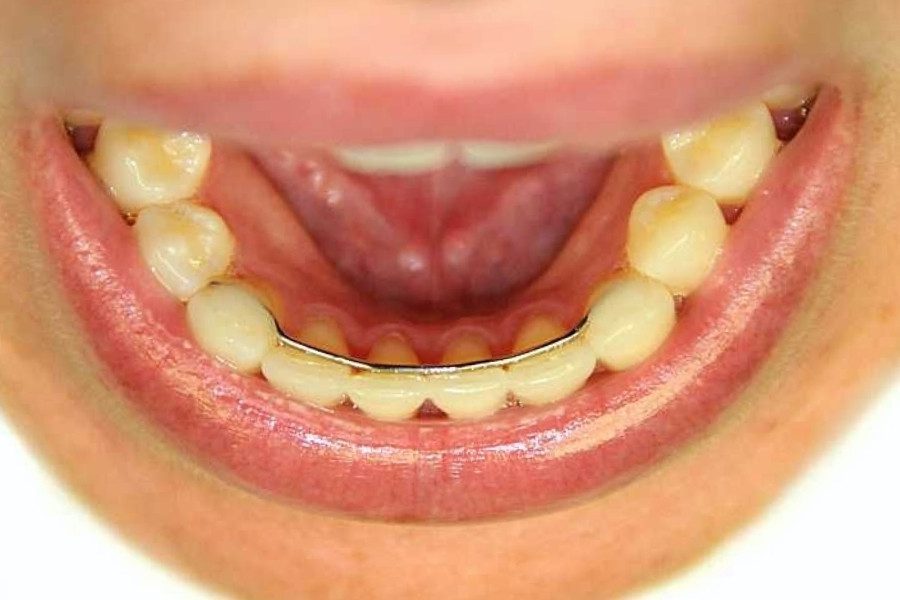
The biggest practical advantage is continuous retention. You do not have to remember to put the appliance in every night. However, fixed does not mean maintenance-free. Careful brushing and cleaning between the teeth are important because plaque and food debris can accumulate around the wire and bonding material.
Fixed retainers can also loosen or break. If you notice that part of the wire has detached, feels unusual, or appears damaged, contact your orthodontist rather than waiting for your next routine visit. A damaged retainer may no longer be holding the affected teeth as intended.
Which Type of Retainer Is Best?
Patients frequently ask whether clear, Hawley, or fixed retainers are best after braces. The most accurate answer is that the best option depends on the individual. Every orthodontic result is different, and retention should reflect the movements completed during treatment and the patient’s specific needs.
For example, someone who values a removable and discreet appliance may appreciate a clear retainer. A patient who prefers a traditional, durable removable design may be comfortable with a Hawley retainer. In other circumstances, an orthodontist may recommend a bonded retainer for certain teeth where continuous support is useful.
Some patients may also use a combination. Having a fixed retainer does not necessarily mean a removable retainer will never be needed. Your orthodontist can explain which approach is appropriate after evaluating your finished tooth positions, bite, and long-term retention needs.
How Long Do You Have to Wear Retainers After Braces?
Retention is usually a long-term responsibility. Teeth can continue to change position throughout life because of natural biological changes, aging, growth, and forces within the mouth. The American Association of Orthodontists notes that retainers are typically necessary for a lifetime, although the frequency of wear may decrease over time.
That does not mean every patient follows exactly the same schedule. Early after braces are removed, your orthodontist may prescribe more frequent wear. Later, many patients transition to nighttime wear. Your instructions should always take priority over a general schedule found online.
If your retainer suddenly feels very tight, no longer seats properly, or causes significant discomfort, do not force it into place. Contact your orthodontic office so the fit and your tooth positions can be evaluated.
How to Care for Your Retainer
Good retainer care protects both the appliance and your oral health. Removable retainers should be cleaned regularly according to your orthodontist’s instructions and kept in their case when they are not being worn. Avoid exposing plastic retainers to excessive heat because heat can distort the material and affect the fit.
Keep retainers away from pets, and avoid wrapping them in napkins while eating. Those habits are common ways retainers become damaged or accidentally thrown away. Fixed retainers require careful brushing and cleaning between teeth, and routine dental visits remain important.
Most importantly, pay attention to changes. A cracked, warped, loose, or poorly fitting retainer should be evaluated promptly. Replacing or repairing a problem early may help reduce the opportunity for unwanted tooth movement.
Protecting Your Smile After Orthodontic Treatment
Finishing braces is worth celebrating, but maintaining your result requires an ongoing partnership between you and your orthodontic team. Clear retainers, Hawley retainers, and fixed retainers can all be effective options when selected appropriately, cared for correctly, and used as directed.
At Barlow Orthodontics in St. Marys, Georgia, we believe patients should understand every stage of their orthodontic care, including what happens after braces come off. If you are approaching the end of orthodontic treatment or have questions about your current retainer, schedule a consultation with us. We can evaluate your smile, discuss the types of retainers after braces that may be appropriate for you, and provide personalized recommendations designed to help maintain your results for years to come.