
Crowded teeth are one of the most common orthodontic concerns we see in our practice. Whether the crowding is mild or severe, many patients want to know one thing before starting treatment: How long does Invisalign take to fix crowded teeth?
The answer depends on several factors, including the severity of the crowding, your age, your treatment goals, food intake and how consistently you wear your aligners. In many cases, Invisalign® can successfully correct crowded teeth in as little as 6 to 18 months, although more complex cases may require additional time.
At Barlow Orthodontics, we frequently use clear aligners to address crowding because they provide a discreet, comfortable way to straighten teeth while fitting into busy lifestyles. While every patient’s treatment plan is unique, understanding the typical Invisalign timeline can help you set realistic expectations and stay motivated throughout the process.
Understanding Crowded Teeth and Why Treatment Matters
Crowded teeth occur when there isn’t enough room in the jaw for all teeth to align properly. As a result, teeth may overlap, twist, rotate, or shift out of position. Some people develop crowding as permanent teeth emerge during childhood, while others notice crowding gradually worsening over time as they age.
Many people seek orthodontic treatment because they want a straighter smile, but crowding can affect more than appearance. Overlapping teeth can create areas that are difficult to clean effectively, making it easier for plaque and bacteria to accumulate. In some cases, crowding may contribute to increased wear on certain teeth or make flossing and brushing more challenging.
The good news is that Invisalign has become an effective solution for many cases of dental crowding. Through a series of custom-made clear aligners, controlled pressure gradually guides teeth into healthier positions over time.
How Invisalign Corrects Crowded Teeth
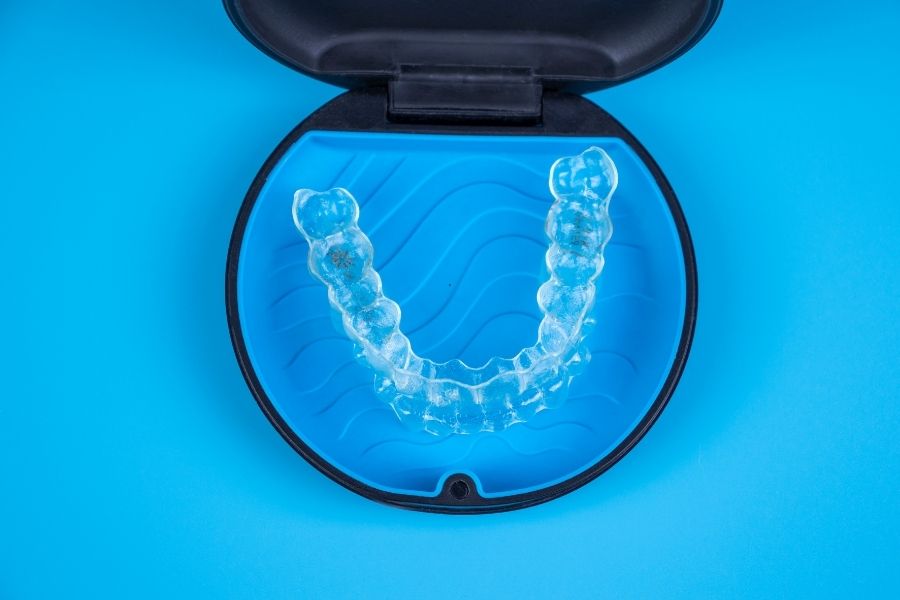
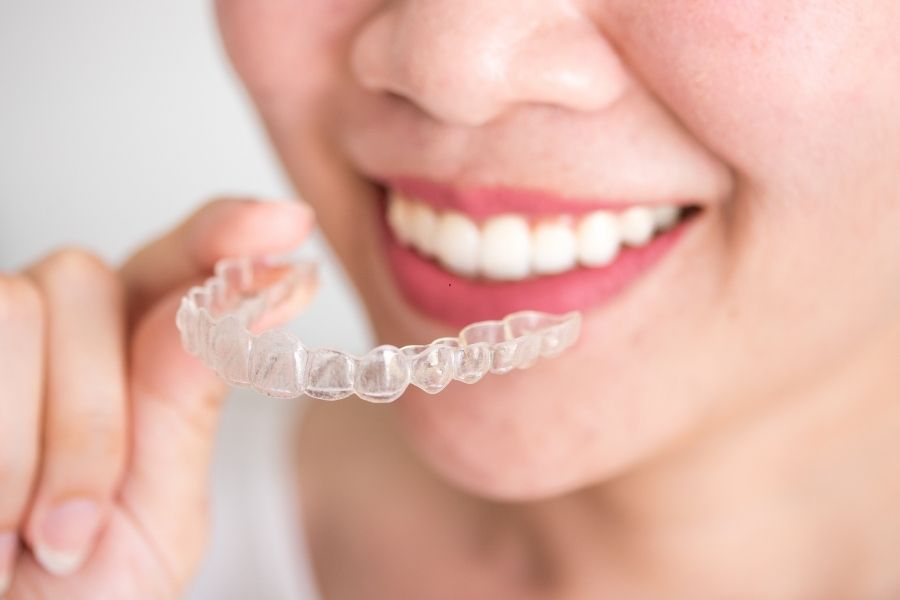
Invisalign treatment uses a sequence of removable clear aligners that are individually designed to move specific teeth in carefully planned increments. Each aligner is typically worn for one to two weeks before advancing to the next set in the series.
The process begins with detailed digital scans and treatment planning software that allows orthodontists to map out tooth movement from start to finish. Every aligner builds upon the progress made by the previous one, creating a gradual and controlled path toward alignment.
For crowded teeth, Invisalign may create space through several different mechanisms. Teeth can be gently expanded outward within healthy limits, rotated into proper positions, or moved strategically to improve alignment. In some situations, very small amounts of enamel reshaping between teeth may be recommended to create additional space and facilitate movement.
Because treatment is highly customized, no two Invisalign timelines are exactly alike. The complexity of the tooth movements required largely determines how long treatment will take.
Average Invisalign Treatment Time for Crowded Teeth
Most Invisalign treatments for crowded teeth fall within a range of approximately 6 to 18 months. However, treatment duration varies considerably depending on the severity of crowding.
Mild Crowding
Patients with mild crowding often experience the shortest treatment times. If only minor tooth movement is needed and bite relationships are already relatively healthy, treatment may be completed in approximately 6 to 9 months.
Mild crowding generally involves slight overlapping or rotation of a few teeth rather than widespread alignment issues. Because less movement is required, fewer aligners are typically needed to achieve the desired outcome.
Many adults who had braces years ago and experienced minor relapse fall into this category. These patients often notice improvements relatively quickly during treatment.
Moderate Crowding
Moderate crowding usually requires more comprehensive movement throughout the dental arch. Treatment commonly ranges from 12 to 18 months depending on individual circumstances.
In these cases, multiple teeth may overlap, rotate, or compete for space. Additional planning is often necessary to create sufficient room for alignment while maintaining healthy bite function and aesthetics.
Most Invisalign patients with crowding fall within this moderate treatment range.
Severe Crowding
Severe crowding can require treatment extending beyond 18 months and occasionally up to 24 months or longer. Significant tooth movement takes time because orthodontic treatment works by stimulating gradual biological changes in the supporting bone and tissues.
When teeth are severely rotated, displaced, or impacted by lack of space, more aligners and refinement stages may be needed. Complex cases sometimes involve additional orthodontic techniques to achieve optimal results.
An experienced orthodontist can evaluate the severity of crowding and provide a personalized estimate based on your specific situation.
Factors That Influence Invisalign Treatment Length
Several important variables affect how quickly crowded teeth can be corrected with Invisalign. Understanding these factors helps explain why one patient may finish treatment in six months while another requires considerably longer.
Severity of Tooth Crowding
The amount of crowding present at the start of treatment is often the biggest factor influencing treatment duration. Teeth that are only slightly misaligned generally move into place more quickly than teeth that are significantly rotated or displaced.
When substantial space must be created to align crowded teeth, additional treatment stages are often necessary. Complex movements simply require more time to occur safely and predictably.
Patient Compliance
One of the greatest advantages of Invisalign is that aligners are removable. However, this flexibility also means treatment success depends heavily on patient cooperation.
Most Invisalign patients should wear their aligners for approximately 20 to 22 hours per day. Removing aligners too frequently or failing to wear them consistently can slow progress significantly.
When aligners are not worn as prescribed, teeth may fail to track properly according to the treatment plan. This can lead to delays, additional aligners, and longer overall treatment times.
Patients who consistently follow instructions often experience smoother progress and more predictable results.
Complexity of Tooth Movement
Not all tooth movements occur at the same speed. Certain types of movements, such as small tipping adjustments, may happen relatively efficiently. Other movements, including significant rotations, vertical changes, or root repositioning, typically require more time.
Crowded teeth often involve rotational corrections because teeth that lack adequate space frequently twist into irregular positions. Rotating teeth can be more challenging than moving them in a straight line, which may extend treatment duration.
Age and Biological Response
Both teenagers and adults can achieve excellent results with Invisalign. However, biological responses vary among individuals.
Younger patients may experience somewhat faster tooth movement due to ongoing growth and more active bone remodeling. Adults can still achieve outstanding outcomes, but treatment timelines may differ based on individual biological factors.
Age alone does not determine treatment success. Consistent aligner wear and appropriate treatment planning remain the most important factors.
Need for Refinements
Many Invisalign patients complete an initial series of aligners and then receive refinement aligners to perfect the final results. Refinements are a normal part of orthodontic treatment and help ensure optimal alignment.
These additional aligners address minor discrepancies that may emerge during treatment and fine-tune tooth positioning. Depending on the adjustments needed, refinements may add several weeks or months to the overall timeline.
What to Expect During Your Invisalign Journey
Knowing what happens throughout treatment can help patients feel more confident and prepared for the process.
The journey begins with a comprehensive orthodontic evaluation. Digital scans, photographs, and diagnostic records allow the orthodontist to assess crowding and determine whether Invisalign is an appropriate solution.
Once the treatment plan is finalized, custom aligners are fabricated based on detailed digital modeling. Patients receive a series of aligners and instructions regarding wear time and care.
During treatment, regular progress appointments allow the orthodontist to monitor tooth movement and ensure everything is progressing as planned. These visits are generally less frequent and shorter than many traditional orthodontic appointments.
Many patients notice visible improvements within the first few months, although the rate of change varies depending on individual circumstances. As treatment progresses, teeth gradually move toward their planned positions until the desired alignment is achieved.
After active treatment is complete, retainers help maintain the results and prevent teeth from shifting back toward their original positions.
Can Invisalign Work Faster for Crowded Teeth?
Patients often ask whether there are ways to speed up Invisalign treatment. While orthodontic treatment must respect the body’s natural biological processes, there are several steps that can help keep treatment on schedule.
The most important factor is wearing aligners exactly as instructed. Consistent wear allows teeth to move according to the planned timeline and reduces the likelihood of setbacks.
Patients should also switch aligners according to their orthodontist’s recommendations and attend all scheduled appointments. Promptly addressing damaged or lost aligners can prevent unnecessary delays.
Good oral hygiene and overall dental health also contribute to successful treatment. Healthy gums and supporting tissues create an environment that promotes efficient tooth movement.
While everyone wants faster results, safe and stable orthodontic movement should always take priority over speed.
Invisalign vs. Traditional Braces for Crowded Teeth
Both Invisalign and traditional braces can effectively treat crowded teeth. Treatment times are often comparable, although outcomes depend more on case complexity than the appliance itself.
For mild to moderate crowding, Invisalign frequently achieves results within a timeframe similar to braces. Advances in aligner technology have expanded the range of cases that can be treated successfully with clear aligners.
Traditional braces may still offer advantages for certain highly complex situations involving severe crowding or significant bite corrections. However, many patients appreciate Invisalign’s nearly invisible appearance, removable design, and ease of maintaining oral hygiene.
The best treatment option depends on each patient’s unique orthodontic needs and goals. A thorough consultation can determine which approach is most appropriate.
The Importance of a Personalized Treatment Plan
When asking how long Invisalign takes for crowded teeth, it’s important to remember that there is no universal answer. Every smile is different, and treatment timelines should be based on an individualized evaluation rather than general estimates found online.
A personalized treatment plan considers the degree of crowding, bite relationships, tooth positions, facial aesthetics, and long-term stability. These factors work together to create a realistic timeline and treatment strategy designed specifically for the patient.
An experienced orthodontic team can explain the expected duration, discuss potential challenges, and provide guidance throughout the process so patients understand what to expect at every stage.
Final Thoughts
Invisalign is an effective solution for many patients with crowded teeth, with treatment commonly lasting between 6 and 18 months depending on the severity of the crowding and individual treatment needs. Mild cases may finish in less than a year, while more complex situations can require additional time and refinement.
The most significant factors affecting treatment length include the degree of crowding, complexity of tooth movement, patient compliance, and overall treatment goals. Wearing aligners consistently and following professional recommendations can help keep treatment progressing efficiently.
If you’re concerned about crowded teeth and wondering whether Invisalign is right for you, a comprehensive orthodontic evaluation is the best way to understand your options and receive an accurate estimate tailored to your smile. At Barlow Orthodontics, we believe in providing honest guidance, personalized care, and treatment plans designed to deliver real results for every patient we serve.