An underbite is one of the more noticeable orthodontic concerns because it affects both the appearance and function of the smile. When the lower teeth sit in front of the upper teeth instead of slightly behind them, it can create challenges with chewing, speaking, and maintaining long-term oral health. Many patients wonder whether an underbite can be corrected and what treatment options are available.
At Barlow Orthodontics, we regularly evaluate bite alignment issues, including underbites, as part of comprehensive orthodontic care. Modern orthodontic treatment—including braces and clear aligners in appropriate cases—can often improve bite function and smile aesthetics, though the best approach depends on the severity of the condition and the patient’s age.
The good news is that underbites can often be successfully treated. Early intervention may simplify treatment for some children, while teenagers and adults can also benefit from customized orthodontic solutions designed to improve both function and appearance. Understanding what causes an underbite and how orthodontists address it can help patients make informed decisions about their oral health.
What Is an Underbite?
An underbite is a type of malocclusion, or bite misalignment, in which the lower jaw extends farther forward than the upper jaw. This causes the lower front teeth to overlap or sit in front of the upper front teeth when the mouth is closed.
In a healthy bite, the upper front teeth rest slightly in front of the lower front teeth. This relationship allows the teeth and jaws to work together efficiently during chewing and speaking. When an underbite is present, that balance is disrupted.
Underbites can range from mild to severe. Some patients have only a slight discrepancy between the upper and lower teeth, while others experience significant jaw misalignment that affects facial appearance and everyday function. The severity of the underbite often influences which treatment methods are recommended.
What Causes an Underbite?
Several factors can contribute to the development of an underbite. In many cases, genetics play the most significant role. If one or both parents have jaw alignment issues, their children may inherit similar skeletal characteristics.
Jaw growth patterns are a common cause. Some individuals develop an underbite because the lower jaw grows larger than average, while others have an upper jaw that does not grow forward enough. These skeletal differences can create a mismatch between the upper and lower dental arches.
Certain childhood habits may also contribute to bite problems. Prolonged thumb-sucking, extended pacifier use, or tongue-thrusting behaviors can sometimes influence jaw and tooth development. While these habits do not always cause an underbite directly, they may worsen existing alignment issues.
Medical conditions involving facial growth and development can occasionally contribute as well. Regardless of the cause, an orthodontic evaluation is important for determining the nature of the problem and identifying the most appropriate treatment strategy.
Why Correcting an Underbite Matters
Many patients initially seek treatment because they are concerned about the appearance of their smile. While aesthetics are certainly important, correcting an underbite often provides functional benefits as well.
When the teeth and jaws do not align properly, chewing can become less efficient. Some patients find it difficult to bite into foods or experience uneven wear on certain teeth. Over time, excessive pressure on specific teeth can increase the risk of enamel wear and other dental concerns.
Speech may also be affected in some cases. Certain sounds require precise tongue and tooth positioning, and significant bite discrepancies can interfere with normal speech patterns.
Jaw discomfort is another potential concern. An improperly aligned bite may place additional stress on the jaw joints and surrounding muscles. While not every patient with an underbite experiences pain, correcting the underlying alignment can help improve overall oral function.
Many patients also appreciate the positive impact treatment can have on facial balance and self-confidence. Because the lower jaw often appears more prominent in individuals with underbites, correcting the bite may create a more harmonious facial profile.
How Orthodontists Diagnose an Underbite
The first step in correcting an underbite is a comprehensive orthodontic examination. During this evaluation, the orthodontist assesses tooth alignment, jaw relationships, facial structure, and overall oral health.
Diagnostic records typically include photographs, digital scans, and X-rays. These tools provide valuable information about the position of the teeth and the underlying jaw structures. By examining both the dental and skeletal components of the bite, the orthodontist can determine whether the underbite is primarily caused by tooth positioning, jaw growth discrepancies, or a combination of both.
The patient’s age is another important consideration. Growing children may have treatment opportunities that are not available once facial growth is complete. For adults, treatment planning focuses on achieving the best possible outcome using orthodontic correction alone or, in some cases, a combination of orthodontics and oral surgery.
Every underbite is unique, which is why individualized treatment planning is essential.
Early Treatment for Children with Underbites
Orthodontic intervention during childhood can sometimes guide jaw development and reduce the severity of future bite problems. Because children’s jaws are still growing, orthodontists may be able to influence growth patterns in ways that become more difficult after adolescence.
Early treatment is not necessary for every child with an underbite, but some cases benefit significantly from timely evaluation. The goal is often to create a better relationship between the upper and lower jaws while supporting normal dental development.
Growth-modification appliances may be used in selected cases to encourage favorable jaw growth. These appliances are designed to work with the child’s natural growth potential and may help improve jaw alignment before permanent teeth fully erupt.
Early intervention can sometimes reduce treatment complexity later in life, although many patients will still require additional orthodontic treatment during their teenage years to refine tooth alignment and bite relationships.
Correcting Mild to Moderate Underbites with Braces
Traditional braces remain one of the most effective tools for correcting many types of underbites. Braces apply controlled forces that gradually move teeth into healthier positions over time.
When the underbite is primarily caused by dental misalignment rather than major skeletal discrepancies, braces can often produce excellent results. The orthodontist carefully adjusts tooth positioning to establish a more functional bite and improve overall alignment.
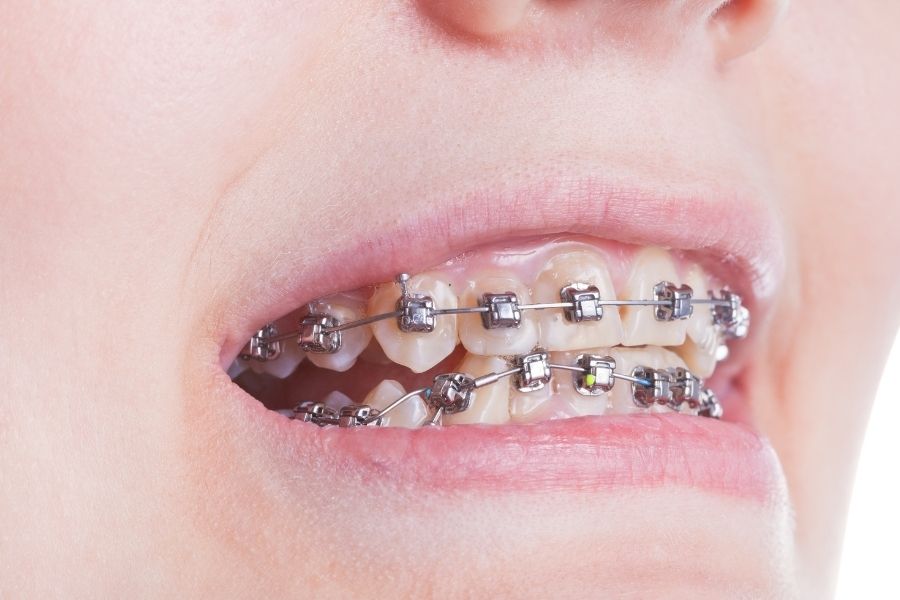
Modern braces are more comfortable and efficient than previous generations. Patients today may have options such as metal braces or more aesthetic alternatives like ceramic braces, depending on their needs and preferences.
Treatment timelines vary based on case complexity, but many patients experience steady improvement throughout the course of treatment. Regular appointments allow the orthodontist to monitor progress and make necessary adjustments.
Can Clear Aligners Correct an Underbite?
Many patients ask whether clear aligners can fix an underbite. The answer depends largely on the severity and underlying cause of the bite discrepancy.
Clear aligners have become increasingly sophisticated and can successfully address many mild to moderate underbite cases. Through a series of custom-made trays, aligners gradually reposition teeth according to a carefully planned treatment sequence.
For patients who prefer a more discreet orthodontic option, clear aligners may offer an attractive alternative to traditional braces. Because the aligners are removable, patients can continue enjoying their favorite foods and maintain their regular oral hygiene routines more easily.
However, not every underbite can be corrected with aligners alone. More severe skeletal underbites may require different treatment approaches. A thorough orthodontic evaluation is necessary to determine whether aligners are an appropriate option for a specific case.
When Jaw Surgery May Be Recommended
In severe underbite cases involving significant skeletal discrepancies, orthodontic treatment alone may not be sufficient to achieve optimal results. For some adult patients, orthognathic surgery, commonly known as corrective jaw surgery, may be recommended.
Jaw surgery is typically considered when the size or position of the jaws prevents proper bite correction through tooth movement alone. The procedure repositions one or both jaws to create better alignment and improve facial balance.
Orthodontic treatment is usually performed before and after surgery. Braces or aligners help prepare the teeth for surgical correction and fine-tune the final bite afterward.
While surgery is reserved for more complex situations, it can provide dramatic improvements in both function and appearance when appropriately indicated. Fortunately, many underbite cases can be managed successfully without surgical intervention.
What to Expect During Underbite Treatment
Every treatment plan is customized, but most patients can expect a structured process designed to improve bite function gradually and safely.
Treatment begins with diagnostic planning and appliance placement, whether braces, aligners, or another orthodontic device. Throughout treatment, periodic visits allow the orthodontist to track progress and make adjustments as needed.
Patients play an important role in treatment success. Maintaining excellent oral hygiene, attending scheduled appointments, and following appliance instructions help support optimal outcomes.
Once active treatment is complete, retainers are typically prescribed to help maintain the corrected bite and tooth positions. Retention is a critical phase because teeth naturally have a tendency to shift over time.
The length of treatment varies depending on individual circumstances. Some mild cases may require relatively short treatment periods, while more complex underbites may take longer to fully correct.
The Benefits of Correcting an Underbite
Successfully correcting an underbite can provide benefits that extend far beyond cosmetic improvements. Patients often enjoy better chewing efficiency, improved bite function, and enhanced oral health.
Proper tooth alignment may help reduce uneven tooth wear and make daily oral hygiene easier. A balanced bite can also contribute to improved comfort and more efficient jaw function.
Many patients notice increased confidence after treatment as well. Feeling comfortable with one’s smile can positively influence social interactions, professional settings, and overall self-esteem.
Most importantly, orthodontic treatment focuses on creating a healthier foundation for long-term oral wellness. Addressing bite problems proactively can help support better function and stability for years to come.
Seeking Professional Evaluation for an Underbite
If you or your child has an underbite, an orthodontic evaluation is the best way to determine the severity of the condition and explore available treatment options. Because every case is unique, professional assessment is essential for developing an effective treatment plan.
At Barlow Orthodontics, we believe in providing honest, individualized guidance for every patient we see. Whether an underbite is mild or more complex, understanding the underlying cause allows us to recommend treatment options that support healthy function, improved alignment, and lasting results.
Early evaluation can identify developing concerns in children, while teens and adults can benefit from modern orthodontic solutions tailored to their needs. With today’s advanced treatment options, many patients are able to achieve healthier bites and more confident smiles than ever before.